 Your Ideas OS
Log in to learn from real founders, exchange ideas, and work on businesses that move from concept to execution.
Access Knowasiak
Join the conversations shaping real businesses.


Sound Healing Courses in Dubai – Certified Training & Workshops
Join transformative Sound Healing Courses in Dubai with expert-led training, hands-on workshops, and certification. Explore sound therapy techniques, wellness practices, and holistic healing in a vibrant international city. Start your journey today!
https://thefiveelements.in/sound-healing-courses-in-dubai/
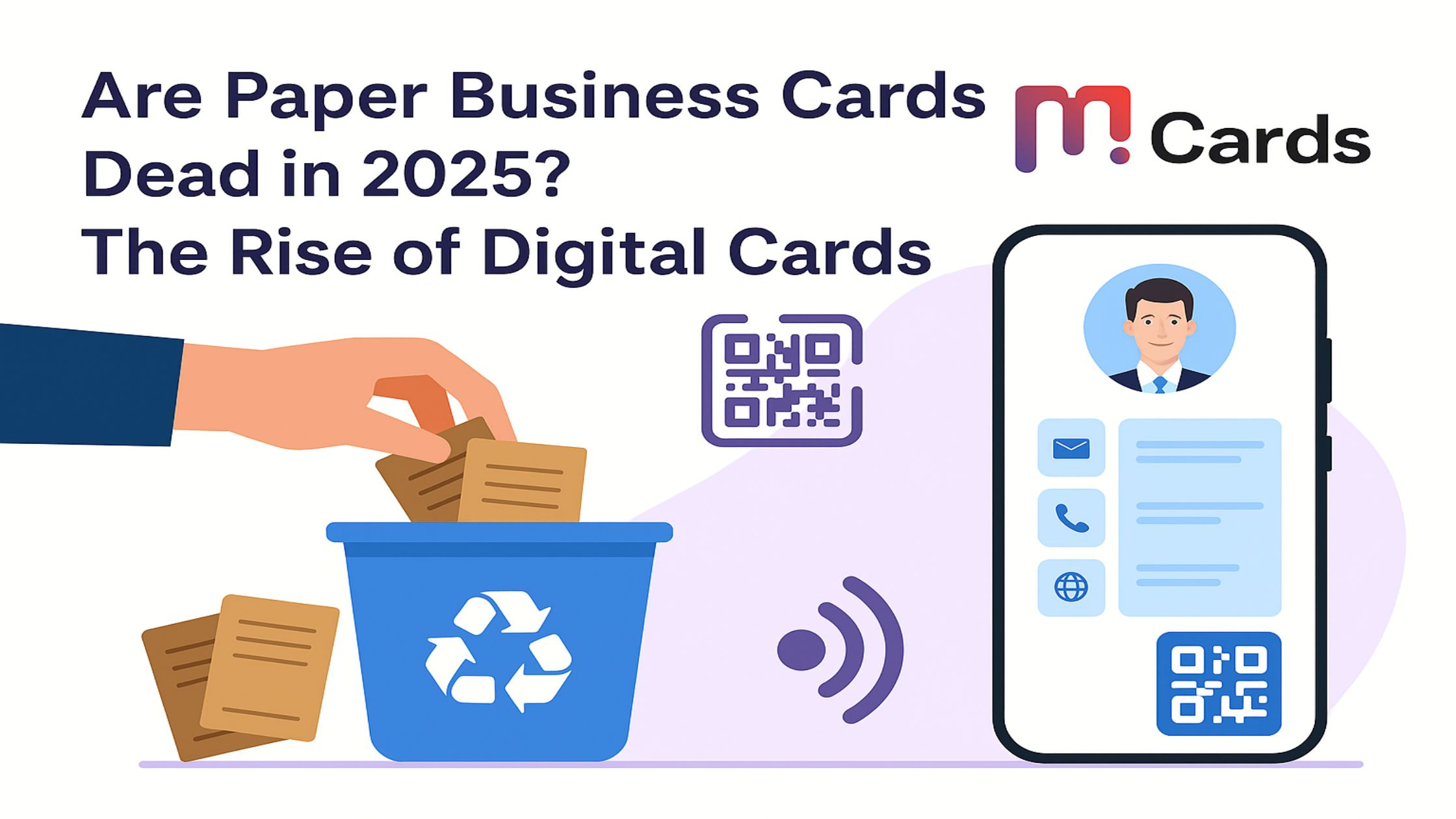
Are Paper Business Cards Dead in 2025? The Rise of Digital Cards
https://mcards.in/
In a world that’s more connected—and more digital—than ever, the humble paper business card is facing extinction. What once fit neatly into wallets and pockets is now being replaced by a smarter, faster, and eco-friendlier alternative: digital business cards.
So the question stands—are paper business cards truly dead in 2025?
Let’s explore why digital business cards are rapidly taking over, and what that means for professionals and businesses today.
The Decline of Paper Business Cards
For decades, exchanging business cards was a professional norm. But in the past few years, several factors have contributed to the steep decline of printed cards:
Remote and hybrid work culture: With fewer in-person meetings, handing out physical cards became impractical. Sustainability awareness: Businesses are under increasing pressure to go green—and printing thousands of cards no longer fits that mission. Cost inefficiency: Paper cards get outdated quickly (title changes, new numbers, new branding) and need constant reprints.
According to industry reports, the usage of paper business cards has dropped by more than 60% since 2020.
Why Digital Business Cards Are on the Rise
Digital cards aren’t just a replacement—they’re an upgrade.
Instantly Shareable
With a single tap or scan (via QR code or NFC), your contact info, social links, and portfolio are delivered directly to someone’s phone—no app needed.
Always Up to Date
Made a new hire or changed your number? Update your digital card once, and every link or QR code remains active and accurate.
Eco-Friendly
Going digital means zero paper waste, no printing chemicals, and zero carbon footprint from logistics.
More Than Just Contact Info
Unlike paper cards, digital business cards can include:
Embedded video intros Calendar booking links Social media * ons Product demos And more
It becomes a mini digital portfolio—perfect for entrepreneurs, creatives, sales reps, and corporate teams.
The Business Case: Smarter, Scalable, Sustainable
Platforms like mCards offer powerful digital card solutions for individuals and teams. With features like NFC tap cards, lead capture, analytics, and CRM integrations, mCards is helping companies replace stacks of outdated paper cards with modern, interactive profiles.
Whether you're networking at a global conference or pitching over a Zoom call, you can share your mCard in seconds—and make a stronger impression.
The Final Verdict
Are paper business cards dead in 2025?
Maybe not completely, but they’re certainly obsolete in a fast-moving, digital-first world.
Digital business cards aren’t just a trend—they’re the new standard.
And if you're still handing out paper, you might be sending the wrong message: "I'm not up to speed."
It’s time to upgrade.
Make the switch.
Go digital.
Ready to ditch paper and join the future of networking?
Create your free digital business card today at mCards.in
#Mcards #digitalbusinesscards #paperbusinesscards #businessnetworking #eco-friendlysolutions #digitaltransformation #smartnetworking #NFCbusinesscards #QRcodecards #contactlesssharing #remoteworktools #sustainablebusinesspractices #digitalidentity #professional_branding


The Role of AI in Modern SaaS Marketing Strategies
The SaaS industry has never moved faster. With thousands of platforms competing for the same buyers, the difference between growth and stagnation often comes down to how intelligently a company markets itself. Artificial intelligence has emerged as the defining force reshaping how SaaS companies attract, convert, and retain customers and understanding the AI role in SaaS marketing strategies is no longer optional for teams that want to stay competitive.
This is not about replacing marketers with machines. It is about giving marketing teams capabilities that were unimaginable just a few years ago the ability to personalise at scale, predict buyer behaviour, automate tedious workflows, and make decisions based on real data rather than gut instinct. AI is not a trend. It is a fundamental shift in how great SaaS marketing gets done.
Why AI Has Become Essential in SaaS Marketing
SaaS marketing presents a unique set of challenges. Sales cycles can be long and complex, buying committees often involve multiple stakeholders, churn is a constant threat, and the cost of acquiring a new customer must always be weighed against lifetime value. Traditional marketing tactics broad email blasts, generic landing pages, one-size-fits-all messaging simply do not cut through at the level required to drive predictable, scalable growth.
AI addresses these challenges directly. By analysing vast amounts of behavioural and demographic data, AI tools help SaaS marketers identify who their best-fit customers are, where those customers are in the buying journey, and what message will resonate most at each stage. The result is marketing that feels less like broadcasting and more like a conversation relevant, timely, and genuinely useful to the prospect.
Hyper-Personalisation at Scale
One of the most powerful applications of AI in SaaS marketing is the ability to personalise experiences at a scale no human team could achieve manually. AI-driven platforms can analyse user behaviour across a website, product, and email campaigns to serve each visitor dynamic content tailored to their industry, role, past interactions, and stage in the funnel.
This goes well beyond inserting a first name into an email subject line. Think of a CFO visiting a SaaS pricing page and seeing ROI calculators and cost-per-seat breakdowns, while a developer visiting the same page is shown API documentation and integration capabilities. Both experiences are generated automatically, in real time, based on what AI knows about each visitor. This level of relevance dramatically improves conversion rates and reduces the friction that kills deals.
For email marketing specifically, AI tools now segment audiences with far greater sophistication than traditional rule-based systems. Instead of sending the same nurture sequence to every trial user, AI identifies patterns across thousands of users which features they have explored, how frequently they log in, where they drop off and triggers the right message at exactly the right moment to keep them moving toward conversion.
Predictive Lead Scoring and Pipeline Intelligence
Not every lead is worth the same level of attention. One of the most commercially valuable AI role in SaaS marketing strategies is predictive lead scoring using machine learning models to rank inbound leads by their likelihood to convert into paying customers.
Traditional lead scoring relies on simple criteria: job title, company size, form fills. Predictive scoring goes much deeper. It pulls in firmographic data, intent signals, product usage patterns, engagement history, and even external signals such as recent funding rounds or hiring activity to build a comprehensive picture of where a lead stands. Sales teams armed with AI-powered scoring spend less time chasing cold prospects and more time closing deals with the accounts most likely to convert.
Beyond scoring, AI provides pipeline intelligence that helps revenue teams understand which deals are at risk and why. If a prospect goes cold after a demo, AI tools can flag the change in engagement and suggest targeted actions a case study tailored to their vertical, a direct outreach from a senior team member, or a limited-time trial extension to re-engage the deal before it is lost.
AI-Powered Content Creation and SEO
Content remains the backbone of inbound SaaS marketing, but producing it consistently and at quality is resource-intensive. AI writing tools have matured significantly, enabling marketing teams to draft blog posts, landing page copy, product descriptions, ad variations, and social content far more efficiently than before.
Critically, AI does not replace the strategic thinking and subject-matter expertise that makes SaaS content authoritative. What it does is eliminate the blank-page problem, speed up first drafts, and allow writers to focus on refinement, positioning, and the editorial layer that elevates content above the noise. Teams that use AI as a multiplier rather than a replacement consistently outproduce those that do not.
On the SEO side, AI tools analyse search intent at a far more granular level than keyword research tools of the past. They identify topic clusters, surface content gaps, suggest internal linking strategies, and monitor how algorithm updates affect rankings giving SaaS SEO teams a systematic, data-driven approach to organic growth that compounds over time.
Reducing Churn Through Predictive Customer Intelligence
Acquisition is only half the battle in SaaS. Retention is where sustainable revenue is built. AI plays a transformative role in churn prevention by monitoring product usage signals that indicate when a customer is at risk of cancellation before they ever raise their hand to leave.
Machine learning models trained on historical churn data learn to recognise the early warning signs: declining logins, reduced feature adoption, failure to complete key onboarding steps, or a drop in the number of active seats. When these signals appear, automated workflows can trigger proactive outreach a check-in from a customer success manager, an in-app prompt highlighting an underused feature, or a personalised webinar invitation aligned to the customer's use case.
The commercial impact of this is significant. Reducing monthly churn by even a fraction of a percentage point has a compounding effect on annual recurring revenue that far outweighs the cost of the AI tooling required to achieve it.
Paid Advertising and Campaign Optimisation
SaaS companies typically spend a meaningful portion of their marketing budget on paid acquisition. AI has made this spend significantly more efficient. From Google Performance Max campaigns to Meta's Advantage+ targeting, AI-native advertising platforms now handle bid optimisation, audience segmentation, and creative testing automatically learning in real time from conversion data to allocate budget where it drives the best results.
For SaaS marketers running their own paid programmes, AI tools analyse multi-touch attribution data to build a clearer picture of which channels and touchpoints actually drive pipeline. This moves budget decisions away from last-click assumptions and toward a more accurate understanding of how the full buyer journey works enabling smarter allocation across search, social, display, and review platforms.
Building an AI-Ready Marketing Strategy
Adopting AI in SaaS marketing is not about purchasing a single platform and hoping for results. It requires a deliberate strategy starting with clean, well-structured data, choosing tools that integrate with existing CRM and marketing infrastructure, and building a culture where marketers are curious about experimentation and comfortable iterating based on what the data shows.
The SaaS companies winning today are those that treat AI as a strategic capability rather than a tactical shortcut. They invest in the right foundations, empower their teams to use AI tools confidently, and continuously refine their approach as the technology evolves. The AI role in SaaS marketing strategies will only deepen from here and the gap between companies that embrace it and those that do not is already widening.
For SaaS marketers, the question is not whether to adopt AI. It is how quickly and how thoughtfully they can make it central to everything they do.



Enterprise Adopts D365 CRM to Modernize Digital Customer Engagement and Accelerate Growth
A leading enterprise has successfully implemented D365 CRM to modernize its digital customer engagement strategy and strengthen long-term business growth.
@richardbfaucher/enterprise-adopts-d365-crm-to-modernize-digital-customer-engagement-and-accelerate-growth-63z913qcaufh" target="_blank" rel="nofollow ugc">https://pressnews.biz/@richardbfaucher/enterprise-adopts-d365-crm-to-modernize-digital-customer-engagement-and-accelerate-growth-63z913qcaufh
How the Latest Social Media Lawsuit is Changing Product Event Marketing Automation
The digital marketing world is constantly evolving, but few events shake the industry like a major social media lawsuit. Recently, the latest social media lawsuit has stirred up significant changes, especially in how brands approach product event marketing automation. Marketers who rely on platforms for advertising and engagement now face new challenges—and opportunities.
If you want to learn how to navigate these changes while effectively using tools like the Dropbox lead magnet tutorial or leveraging the power of a Dropbox lead magnet, it’s critical to understand how to drive social media lawsuit prevention strategies into your marketing plan. This article dives deep into how the lawsuit affects marketing automation for product events and how you can stay ahead of the curve by integrating lead magnets and automation effectively.
What is Driving the Shift? The Impact of the Social Media Lawsuit
At the heart of this transformation is the increasing scrutiny social media platforms face regarding data use, privacy, and advertising practices. The drive social media lawsuit movement aims to hold these platforms accountable, which has a ripple effect on marketers relying on them. Automated campaigns, especially those tied to product event marketing automation, must now adapt to stricter rules and unpredictable platform policies.
For example, marketers who use a Dropbox lead magnet as part of their engagement funnel may find their automation workflows disrupted by changes in social media algorithms or ad restrictions. Luckily, learning from a thorough Dropbox lead magnet tutorial can help marketers create resilient lead generation funnels that work even amid social media uncertainties.
How Product Event Marketing Automation Is Evolving
Product event marketing automation has become a go-to strategy for driving conversions and engaging audiences at scale. But with the latest social media lawsuit impacting platform reliability, marketers need to rethink automation workflows and diversify their lead capture methods.
Using a Dropbox lead magnet is an excellent way to capture leads directly, bypassing some limitations imposed by social media platforms. Combining this with smart automation ensures your product event marketing is more resistant to disruption. If you want a step-by-step guide on integrating these strategies, check out this helpful Dropbox lead magnet tutorial.
Why Dropbox Lead Magnets Are Vital Now
One of the most powerful tools in your marketing arsenal is the Dropbox lead magnet. By offering valuable downloadable content through Dropbox, marketers can engage users with minimal friction. Given the current landscape shaped by the social media lawsuit, relying on owned media channels and direct lead magnets reduces dependency on social networks’ unpredictable changes.
A Dropbox lead magnet tutorial can guide you through the process of creating and deploying these ** ets effectively. Using Dropbox allows for seamless distribution and tracking, critical for optimizing your product event marketing automation campaigns in these uncertain times.
Tips to Drive Social Media Lawsuit Prevention in Marketing
To successfully navigate the current social media lawsuit environment and keep your marketing on track, you must adopt a proactive approach. Here are practical ways to drive social media lawsuit prevention while keeping your product event marketing automation intact:
1. Diversify Your Lead Sources: Don’t rely solely on social media platforms. Incorporate Dropbox lead magnets and other owned channels to maintain consistent lead flow.
2. Master Dropbox Lead Magnet Tutorials: Spend time understanding how to craft compelling lead magnets and automate their delivery to maximize engagement.
3. Automate with Compliance in Mind: Ensure your automation workflows respect privacy laws and platform policies affected by the social media lawsuit.
4. Monitor Platform Changes Closely: Stay updated on legal and policy shifts that may impact your marketing and adjust your strategies accordingly.
5. Leverage Product Event Marketing Automation: Use automation to nurture leads efficiently, especially those acquired via Dropbox lead magnet offers, so you’re not scrambling to engage prospects reactively.
The Future of Marketing After the Social Media Lawsuit
The lawsuit has exposed vulnerabilities in the way marketers have traditionally depended on social media giants. Moving forward, integrating Dropbox lead magnet tutorials and relying on solid product event marketing automation workflows will become the norm.
This shift encourages marketers to innovate and build more direct relationships with their audiences. As social media platforms adjust their policies, savvy marketers who have mastered how to drive social media lawsuit prevention will thrive. They’ll rely on tools like Dropbox lead magnet content and event automation that don’t depend entirely on external platform rules.
How to Implement These Changes Today
If you’re ready to future-proof your marketing, start by mastering Dropbox lead magnets. Check out the comprehensive Dropbox lead magnet tutorial that offers practical advice on creating irresistible lead magnets and integrating them into your product event marketing automation.
Next, evaluate your current automation workflows to identify risks related to the social media lawsuit’s impact. Are you too dependent on paid social ads? Are your lead capture forms integrated well with your CRM and automation tools? Adjusting these now will help you drive social media lawsuit prevention and keep your marketing resilient.
Read full blog - https://ciente.io/blogs/how-to-drive-social-media-lawsuit-prevention/

Enterprise Adopts D365 CRM to Modernize Digital Customer Engagement and Accelerate Growth
A leading enterprise has successfully implemented D365 CRM to modernize its digital customer engagement strategy and strengthen long-term business growth.
@richardbfaucher/enterprise-adopts-d365-crm-to-modernize-digital-customer-engagement-and-accelerate-growth-myiy7xleohse" target="_blank" rel="nofollow ugc">https://prfree.org/@richardbfaucher/enterprise-adopts-d365-crm-to-modernize-digital-customer-engagement-and-accelerate-growth-myiy7xleohse


In an increasingly competitive business environment, cultivating and managing customer relationships effectively is a critical component of long-term success. One of the most efficient ways to achieve this is through the implementation of a robust Customer Relationship Management (CRM) system.
Whether you are a startup or an established organisation, adopting the best CRM software enables you to streamline operations, improve customer service, and ultimately drive growth.
for more, visit : https://tlrone.com/top-reasons-why-businesses-should-invest-in-crm-for-sustainable-growth/
#BestCRMforsmallbusiness #CRMforsmallBusiness #BusinessManagementSoftware
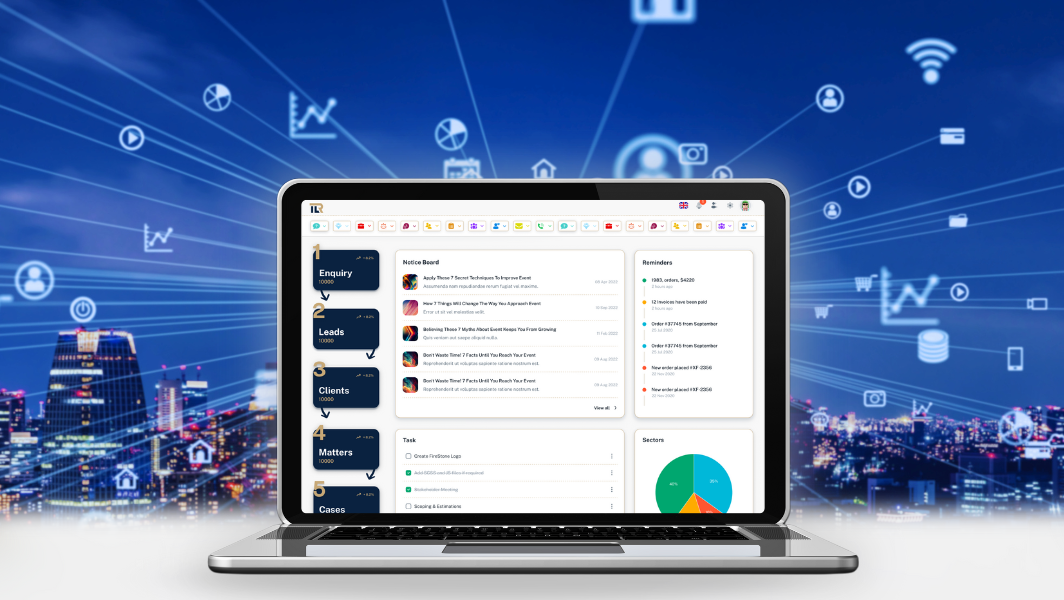
Best AI Debt Recovery Tool | TLR DebtXpert
TLR DebtXpert is the best AI debt recovery software...
https://tlrone.com/top-reasons-why-businesses-should-invest-in-crm-for-sustainable-growth/
High-impact B2B partnerships are no longer built only on relationships — they are powered by data, automation, and measurable outcomes. Martech plays a pivotal role in identifying ideal partners, running co-marketing at scale, managing PRM and CRM-based collaboration, and tracking ROI transparently. When organizations integrate Martech into every stage of a partnership — from selection to execution — they transform alliances into predictable growth engines.
To explore broader partnership strategies and trends, read the full article on Ciente: https://ciente.io/blogs/b2b-partnership-strategies/
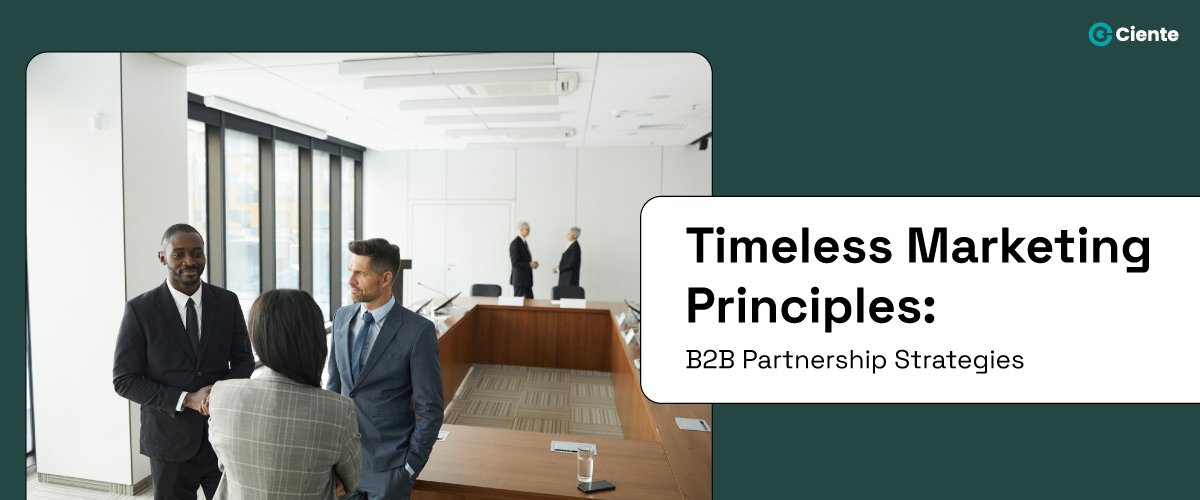
Timeless Marketing Principles: B2B Partnership Strategies - Ciente
This is a complex topic to unpack. And if someone's giving you a clean version of partnerships, they're taking you for a joke. Especially B2B partnerships.
https://ciente.io/blogs/b2b-partnership-strategies/
Boosting Lead Generation with CRM
Without reliable customer data and insights, marketing campaigns often fail. But CRM tech can consolidate lead gen efforts- making marketing truly data-driven.
85% of B2B marketers consider lead generation as one of their key objectives.
Lead generation is what fills your sales pipeline, accelerating business growth. However, a standalone lead gen software may have limited potential. That’s why narrowing down on an effective CRM software suited to your business goals is the way to go.
You may still be wondering: What makes a CRM system so valuable? It’s your all-in-one program for building customer connections and trust. Consider your CRM as a catalyst to promote brand growth and lead gen efforts. After all, there have been studies proving that CRM increases lead conversions by 300%.
A CRM system will securely store all customer interactions in a single place, making them accessible and organized.
There’s more to the story. Let’s understand it in detail.
Features of CRM that stand out
CRM tools have powerful features that do all the heavy lifting for your brand, improving the lead gen game altogether. These systems automate the steps of lead capture, messages for lead nurture, and performance monitoring. One of its features is lead scoring, which allows brands to identify the best prospects, filtering out the irrelevant ones. Then, there is detailed tracking for monitoring the progress of prospects throughout their buyer’s journey. We will cover these later in the blog.
Over the recent years, a brand’s social media presence has become important to build engagement and brand identity. So, when you integrate CRM platforms with these platforms, it amplifies your lead gen strategy. And how? A CRM integration assimilates relevant data and helps your teams connect with the prospects on the right channels. You can also systemize all social media communication by storing data in one place.
From automating follow-ups to crafting clear reports, these tools help you stay one step ahead of your competition.
Leveraging CRM to acquire more quality leads
Generating leads with CRM lets you understand customers at a deeper level. When you know their pain points, it becomes easier to deliver the ideal solution. And with the tool, you can directly communicate with the customers and track leads in real time.
Your CRM doesn’t just help you find new leads – it builds customer relationships that last.
https://ciente.io
https://ciente.io/blogs/crm-and-lead-generation/

Leading CRM Software Solutions for Better Customer Engagement: Empowering Businesses to Work Smarter
Imagine this scenario: A high-ticket client approaches your business with a lucrative opportunity. They require immediate attention and a prompt solution. But due to delays in responding, fragmented communication, and a lack of streamlined processes, the client takes their business elsewhere—choosing a competitor instead. Despite having the expertise to deliver, the gap in customer engagement cost you a critical deal.
At TLR, we identified this gap in the market and created the ultimate solution—a comprehensive Business Management Software designed to transform how businesses engage with their clients



Send Message WhatsApp API for Automation
The ability to Send Message WhatsApp api programmatically allows businesses to automate communication at scale. Companies can use this feature to send notifications, reminders, order confirmations, and marketing messages instantly. Automated messaging improves operational efficiency while ensuring customers receive timely updates. Businesses can integrate messaging systems with CRM platforms and automation tools to create seamless workflows. Using the Send Message WhatsApp API, organizations can improve engagement, reduce manual work, and provide better customer communication experiences.
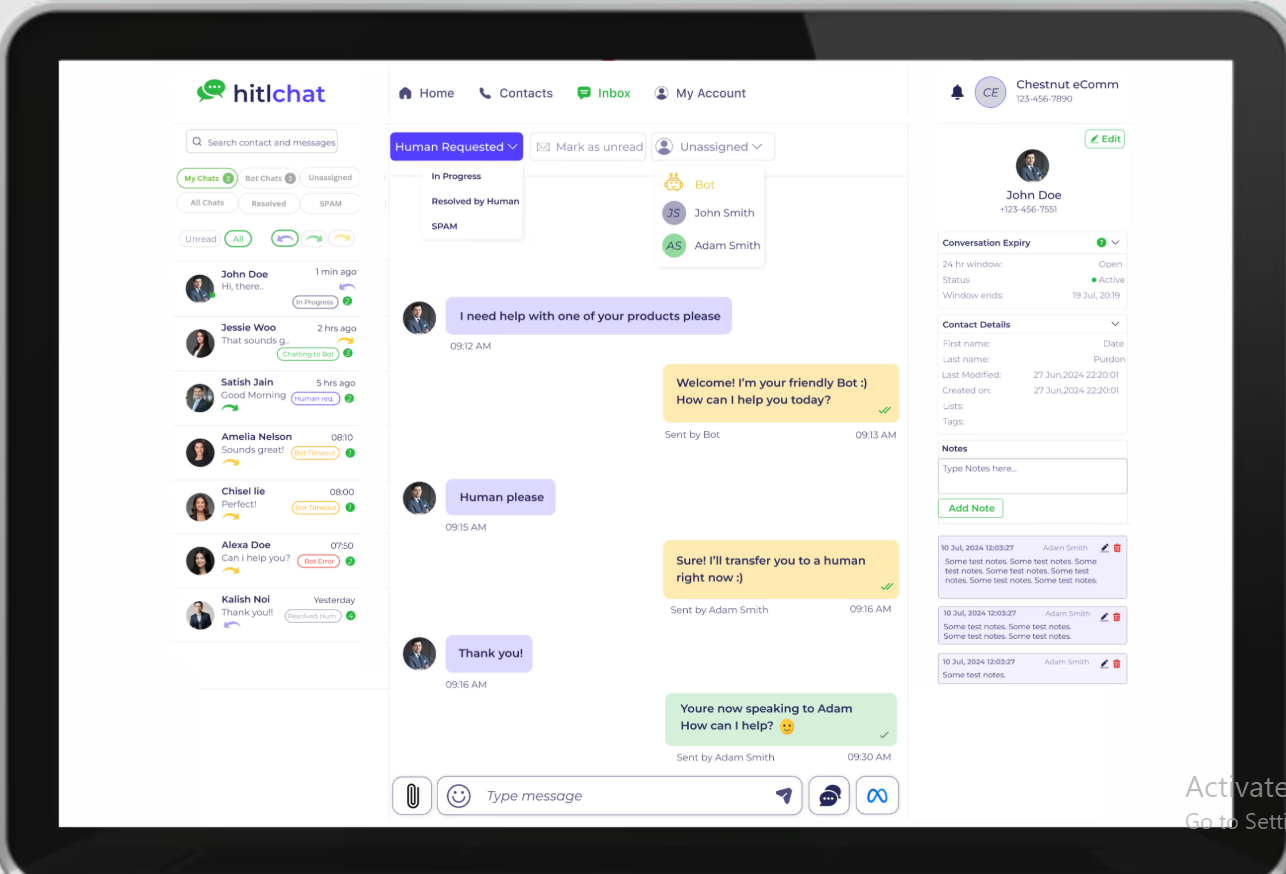
Dynamics 365 Sales
Microsoft Dynamics 365 Sales is a cloud based CRM solution that empowers organizations to streamline their sales processes
https://keydynamicssolutions.com/dynamics-365-sales/

How Dynamics 365 Services Transform Business Operations in 2026 - Newsglo
Businesses are rapidly embracing digital transformation to stay competitive in an increasingly data-driven world. Dynamics 365 Services have emerged as a
https://newsglo.com/how-dynamics-365-services-transform-business-operations-in-2026

Queue Management System Market Customer Experience Optimization 2030
Global Queue Management System Market Outlook (2024–2030)
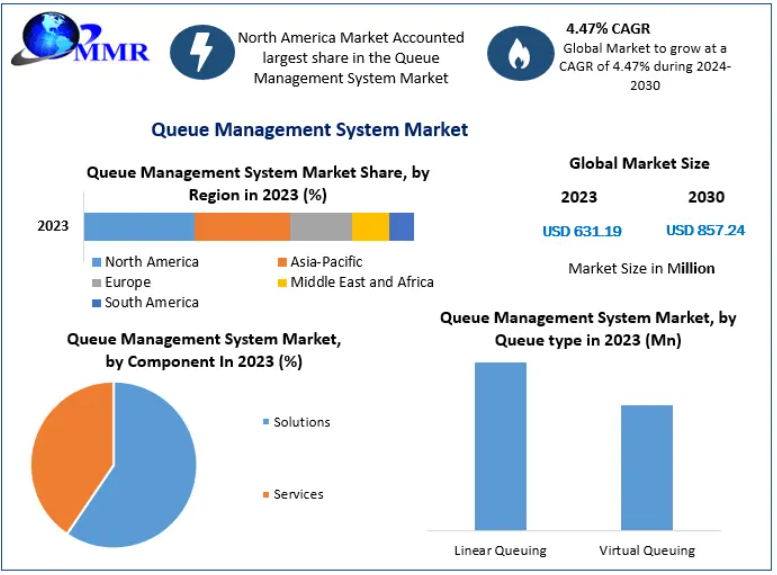
The Global Queue Management System (QMS) Market was valued at USD 631.19 million in 2023 and is projected to grow steadily at a CAGR of 4.47% over the forecast period, reaching approximately USD 857.24 million by 2030.
Queue management systems are transforming the way businesses manage customer flows, reduce waiting times, and enhance service efficiency across sectors such as healthcare, retail, BFSI, government services, and hospitality.
Queue Management System Market Overview
A Queue Management System (QMS) is software designed to streamline the handling of queues in service-oriented environments. From banks and hospitals to retail outlets and government offices, queues are inevitable. QMS solutions leverage linear and virtual queuing techniques to reduce waiting times, optimize staff allocation, and improve the overall customer experience.
Modern QMS platforms also provide real-time wait time predictions, digital ticketing, and self-service kiosks, enabling businesses to manage crowds effectively while keeping clients informed.
Request a Free Sample Copy or View Report Summary:https://www.maximizemarketresearch.com/request-sample/62938/
Market Dynamics
Drivers
Reducing Customer Wait Times:
The increasing demand for faster, seamless service experiences is driving the adoption of queue management solutions across industries.
Healthcare Industry Growth:
Hospitals and clinics are among the leading adopters, using QMS to optimize patient flows, improve appointment management, and enhance service delivery.
Enhanced Customer Experience:
By improving operational efficiency and reducing congestion, QMS platforms strengthen customer satisfaction and loyalty.
Technological Advancements:
Integration with cloud computing, AI, and analytics enables predictive wait times, smart routing, and real-time monitoring, boosting system efficiency.
Restraints
High Implementation Costs:
The upfront investment for sophisticated QMS infrastructure, including kiosks and software, can be substantial for small organizations.
Complexity of Deployment:
Implementing a QMS requires careful planning and staff training, which may slow adoption in some sectors.
Lack of Standardization:
Variability in system features and integration capabilities across vendors may pose challenges to widespread adoption.
Opportunities
Virtual Queuing Solutions:
The rise of mobile check-ins and virtual queue platforms is creating opportunities for QMS providers. Customers can receive alerts, schedule appointments, or get service tickets remotely, minimizing physical crowding.
Smart Visitor Management:
Businesses and educational institutions are adopting QMS integrated with visitor management systems to enhance security and compliance while optimizing staff efficiency.
Global Expansion of Cloud-Based QMS:
Cloud deployment provides scalability, remote monitoring, and cost-effective management, encouraging adoption among SMEs and large enterprises alike.
Trending Factors
Mobile Device Penetration:
The widespread use of smartphones, tablets, and laptops enhances the accessibility and adoption of virtual queuing solutions.
Digital Transformation:
BFSI, government, and healthcare sectors are increasingly integrating QMS with ERP and CRM systems, driving efficiency and improving user experience.
Investment in Smart Infrastructure:
Businesses are investing in advanced kiosks, automated routing, and AI-driven analytics to optimize operational performance.
Request a Free Sample Copy or View Report Summary:https://www.maximizemarketresearch.com/request-sample/62938/
Market Segment Analysis
By Queue Type
Virtual Queuing:
Expected to grow at the highest CAGR of 5.47% from 2024–2030. Virtual queuing allows customers to register remotely, receive notifications, and be guided to service points at the right time, reducing crowding and enhancing safety.
Linear Queuing:
Still widely used in traditional service settings but gradually being supplemented or replaced by virtual solutions.
By Component
Solutions: Software platforms and queue management applications.
Services: Implementation, maintenance, and support services.
By Deployment Mode
On-Premises: Suitable for organizations with strict security or compliance requirements.
Cloud: Offers flexibility, remote access, and reduced IT overhead.
By Organization Size
Large Enterprises: Leveraging QMS for multi-branch operations and high-volume customer traffic.
SMEs: Increasingly adopting cloud-based QMS due to lower infrastructure costs.
By Vertical
BFSI, Healthcare, Retail & Consumer Goods, Government & Public Sector, IT & Telecom, Travel & Hospitality, Utilities, and Others (Education, Sports, and Leisure).
Regional Insights
North America:
Dominates the market due to early adoption of advanced technologies like AI, cloud-based QMS, and ERP integration. Sectors like healthcare, retail, and BFSI are major contributors. Companies such as VirtuaQ and QLess are prominent players in the region.
Europe:
Ranked second globally, with strong adoption in the UK, Germany, and France. The growth is driven by the need to improve customer experiences and optimize service delivery across public and private sectors.
Asia Pacific, MEA, and South America:
Increasing investments in smart infrastructure and digital customer service solutions are expanding market opportunities.
Key Developments
Major players are expanding through partnerships, collaborations, mergers, acquisitions, and product innovations. For example:
SEDCO launched a line of self-service kiosks (FASTSERV and CONSULTA) to improve efficiency, reduce operational costs, and enhance customer experiences.
Modern QMS solutions now integrate smart routing, directing clients to service points efficiently based on queue status and service requirements.
Competitive Landscape
The QMS market features a diverse mix of global and regional players, including:
Advantech Co. Ltd.
Aurionpro Solutions Ltd.
MaliaTec Inc.
Q-nomy Inc.
Qmatic Inc.
ATT Systems Group
Qudini Inc.
QLess Inc.
Wavetec Pvt. Ltd.
Udentify Inc.
AwebStar Technologies Pvt. Ltd.
Skiplino Inc.
OnlineToken Inc.
These companies are competing on technology innovation, product features, service capabilities, pricing strategies, and regional presence.
Report Objective
This report aims to provide stakeholders with a comprehensive analysis of the QMS market, including historical trends, current status, and future growth projections. By presenting PORTER and PESTEL analysis, it highlights the external and internal factors influencing the market, enabling decision-makers to develop effective strategies for long-term growth.
Market Forecast Snapshot (2024–2030)
Parameter
Details
Base Year
2023
Forecast Period
2024–2030
Market Size 2023
USD 631.19 Mn
CAGR
4.47%
Market Size 2030
USD 857.24 Mn
Key Segments
Component, Queue Type, Deployment Mode, Organization Size, Vertical
Major Regions
North America, Europe, Asia Pacific, MEA, South America
Dynamics 365 Development Services for CRM and ERP Integration
In today’s competitive digital landscape, businesses require unified systems that connect customer data with core operational processes.
https://www.smart-article.com/dynamics-365-development-services-for-crm-and-erp-integration/

What Strategies Salesforce Consulting Uses to Boost Sales Pipelines!
A strong sales pipeline is the foundation of predictable business growth. But building and managing that pipeline effectively requires more than just a CRM — it requires the right strategy. That’s where Salesforce consulting plays a vital role. By combining technology, data, and process optimization, consultants help businesses strengthen every stage of their sales funnel.
First, Salesforce consultants optimize lead management by connecting all lead sources — website forms, marketing campaigns, and referrals — into a single system. This integration gives sales teams complete visibility, helping them follow up faster and never miss a potential deal.
Next, they use automation and AI tools like Einstein Analytics to prioritize high-value leads and predict which opportunities are most likely to close. This ensures sales reps spend time on the right prospects instead of wasting effort on low-quality ones.
Consultants also design customized sales workflows that align with each company’s process — from lead qualification to deal closure. These workflows automate repetitive tasks, reminders, and approvals, allowing sales teams to focus on building relationships rather than managing data.
Additionally, real-time dashboards and reports give managers clear insights into pipeline health, deal stages, and conversion rates. This helps in forecasting revenue accurately and identifying bottlenecks before they slow down progress.
Finally, Salesforce consulting fosters collaboration between sales, marketing, and customer service by ensuring all departments work from a unified platform. This improves communication and enhances the overall customer experience, leading to stronger pipelines and repeat business.
In short, Salesforce consulting turns your sales pipeline into a well-structured, data-driven system — improving efficiency, increasing win rates, and driving consistent business growth.
Read more - https://www.janbask.com/salesforce-consulting-services
Professional Salesforce Consulting Services | JanBask Experts
Looking for a reliable Salesforce consulting company? JanBask offers professional Salesforce services to help businesses optimize their Salesforce ecosystem and drive growth.
https://www.janbask.com/salesforce-consulting-services
How to Build a Winning Data Culture in Your Marketing Team
In modern marketing, data isn’t just a tool—it’s the backbone of customer engagement. A strong data culture helps teams move from guesswork to strategy, making data-driven marketing ( you can vsit here for more https://ciente.io/blogs/data-driven-marketing-strategy/ ) the standard rather than the exception. Here’s how you can build one.
1. Lead with Example
Leaders must show commitment by asking, “What does the data say?” in every decision. This sets the tone for the team.
2. Set Clear Goals
Define what matters—whether it’s lead generation, retention, or ROI—so the team knows which metrics to prioritize.
3. Break Down Silos
Integrate tools like CRM, analytics, and automation into one system. A unified view ensures decisions are based on complete data.
4. Build Data Skills
Train your team to read insights beyond surface-level clicks. Understanding customer journeys and lifetime value is key.
5. Encourage Testing
A/B testing and experimentation keep creativity alive while reducing risks. Data becomes a safety net for innovation.
6. Recognize Data Wins
Celebrate when insights drive success—it reinforces the value of data in everyday marketing.
7. Balance Numbers with Human Insight
Pair analytics with customer feedback to ensure marketing stays personal and empathetic.
Final Thoughts
A winning data culture isn’t about more reports—it’s about mindset. When marketing teams embrace data-driven marketing, they gain clarity, deliver better customer experiences, and build long-term trust. In the Martech era, culture is just as important as technology.

A Data-Driven Marketing Strategy: From Guesswork To Informed Decision-Making - Ciente
Access to customer data has evolved marketing communications. But does the traditional route to data-driven marketing warrant long-term profitability?
https://ciente.io/blogs/data-driven-marketing-strategy/
How Dynamics 365 and D365 CRM Are Transforming Modern Business Operations
In today’s fast-paced digital economy, businesses are constantly seeking smarter ways to manage customer relationships and streamline operations.
https://richardbfaucher.substack.com/p/how-dynamics-365-and-d365-crm-are

Professional CRM System Support Australia for Reliable CRM
Organizations that rely on CRM platforms benefit from dependable crm system support australia to keep their systems running efficiently. CRM support services include troubleshooting, performance monitoring, system updates, and technical assistance for users. With reliable support, businesses can maintain consistent operations and avoid disruptions that impact productivity. CRM system support also helps companies optimize their workflows and integrate new features as their operations expand. Businesses across Australia depend on CRM support specialists to maintain secure, efficient, and scalable CRM systems that improve collaboration and deliver valuable insights into customer interactions.


Advanced Forex CRM Software for Growing Brokerages
Simplify workflow management, strengthen trader engagement, and maximize revenue potential with our feature-rich Forex CRM built for brokers worldwide.
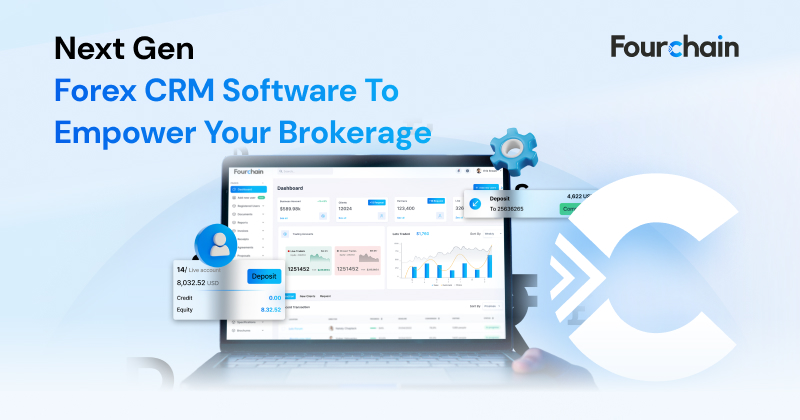
Forex CRM Software | Fourchain
Fourchain’s Forex CRM software Development Company with 100% customizable, feature-packed, and trusted by clients across the globe to accelerate the brokerage growth and trading process.
https://www.fourchain.com/services/forex-crm
Let’s talk about what makes GuestPostCRM stand out. Instead of juggling spreadsheets and scattered emails, this platform centralizes everything publisher contacts, deal status, pricing, and communication history in one clean dashboard. It simplifies outreach management, tracks payments, organizes live links, and monitors order progress effortlessly. Automated reminders and detailed reporting keep campaigns on schedule and transparent. Designed for agencies, SEO professionals, and link builders, GuestPostCRM transforms chaotic guest posting workflows into a streamlined, scalable system.
Boost Your Clicks & Track Every Link with Ease – Try Our Custom Link Shortener!
Unlock the power of smart link tracking and custom shortening! Get real-time insights on every click, optimize your marketing efforts, and personalize your links. Perfect for influencers, marketers, and businesses looking to boost engagement and measure success. Start now with a free trial and see the difference!