 Your Ideas OS
Log in to learn from real founders, exchange ideas, and work on businesses that move from concept to execution.
Access Knowasiak
Join the conversations shaping real businesses.


These versatile and powerful devices have transformed numerous fields of science, technology, and medicine. In this article, I will provide an overview of different types of lasers, their key properties, a glimpse into their various applications, and most importantly, safety guidelines to ensure responsible usage.
Types of Lasers
Lasers, short for "Light Amplification by Stimulated Emission of Radiation," come in various types, each with unique properties. Here are some of the most common types of lasers:
1. Gas Lasers: Gas lasers use a gas mixture, such as helium and neon, as the active medium. They emit a range of visible and infrared wavelengths. Some well-known gas lasers include the helium-neon (HeNe) and carbon dioxide (CO2) lasers.
2. Solid-State Lasers: Solid-state lasers employ a solid crystal or glass as the active medium. Examples include the Nd:YAG (neodymium-doped yttrium aluminum garnet) and Ruby lasers. Solid-state lasers can produce a wide range of wavelengths, making them versatile for different applications.
3. Semiconductor Lasers: Semiconductor lasers, also known as diode lasers, are compact and efficient. They find extensive use in consumer electronics, optical communication, and medical devices. Laser diodes are often used as laser pointers or in laser printers.
4. Fiber Lasers: Fiber lasers are a subtype of solid-state lasers. They use optical fibers as the gain medium, which allows for high-power and high-beam quality output. Fiber lasers have applications in material processing, telecommunications, and medical procedures.
5. Dye Lasers: Dye lasers use organic dyes as the gain medium. These lasers offer a wide range of tunable wavelengths, making them suitable for scientific research and medical applications.
Laser Properties
Lasers possess several key properties that make them unique and valuable:
1. Monochromaticity: Lasers emit light of a single, specific wavelength, resulting in pure and vivid colors.
2. Coherence: Laser light is highly coherent, meaning the waves are in phase, resulting in a tight, focused beam of light.
3. Collimation: Laser beams are highly collimated, maintaining their tight focus over long distances.
4. Intensity: Lasers produce highly concentrated energy, making them useful for cutting, welding, and precise measurements.
Laser Applications
Lasers are used in a myriad of applications across various industries:
1. Medical: Lasers are used in surgery, eye correction procedures (LASIK), and dermatology for skin treatments.
2. Manufacturing: Lasers are employed for cutting, welding, and engraving materials like metal, plastics, and ceramics.
3. Communications: Fiber optic communication systems rely on lasers for data transmission over long distances.
4. Research: Lasers are indispensable tools in scientific research, used for spectroscopy, holography, and particle acceleration.
5. Entertainment: Lasers are used in light shows, laser projectors, and laser displays for entertainment and artistic purposes.
Laser Safety Guidelines
The powerful capabilities of lasers come with a responsibility to ensure safe usage. Here are some essential safety guidelines for all types of lasers:
1. Eye Protection: Always wear appropriate laser safety goggles designed for the specific laser wavelength. This is crucial to protect your eyes from potentially blinding laser beams.
2. No Direct Exposure: Avoid direct exposure to laser beams, and never point lasers at people, vehicles, or aircraft. Use lasers only for their intended purpose.
3. Laser Classification: Understand the classification of the laser you are working with and adhere to safety measures accordingly. Class 1 lasers are safe under all conditions, while Class 4 lasers pose significant risks.
4. Control Access: Restrict access to laser areas to authorized personnel only. Ensure safety interlocks are functional.
5. Environmental Considerations: Be aware of potential fire hazards when using high-power lasers, and ensure proper ventilation.
6. Training: Provide proper training to all personnel handling lasers, including emergency procedures.
7. Safe Workspaces: Maintain a clean and organized workspace to prevent accidents and reduce clutter around lasers.
Conclusion
Lasers are marvels of science and engineering, with a vast array of applications that continue to expand. Understanding the different types of lasers, their properties, and their safe usage is essential to harness their potential for the betterment of society and science. By adhering to laser safety guidelines, we can explore the boundaries of laser technology while ensuring the well-being.


Understanding the Difference Between Explosives and Accelerant Detection
Explosives and accelerant detection serve safety purposes. Explosives detection focuses on identifying materials capable of causing blasts, protecting people and infrastructure. Accelerant detection targets flammable substances used to start or spread fires, supporting arson investigations. Both rely on K9 units and specialized techniques to enhance prevention, investigation, and security readiness.
visit https://byersk9services.com/explosives-vs-accelerant-detection-key-differences-explained/


Herbal Supplements Market Impact of Clean Label and Plant-Based Trends 2032
Herbal Supplements Market – Global Analysis & Forecast (2025–2032)
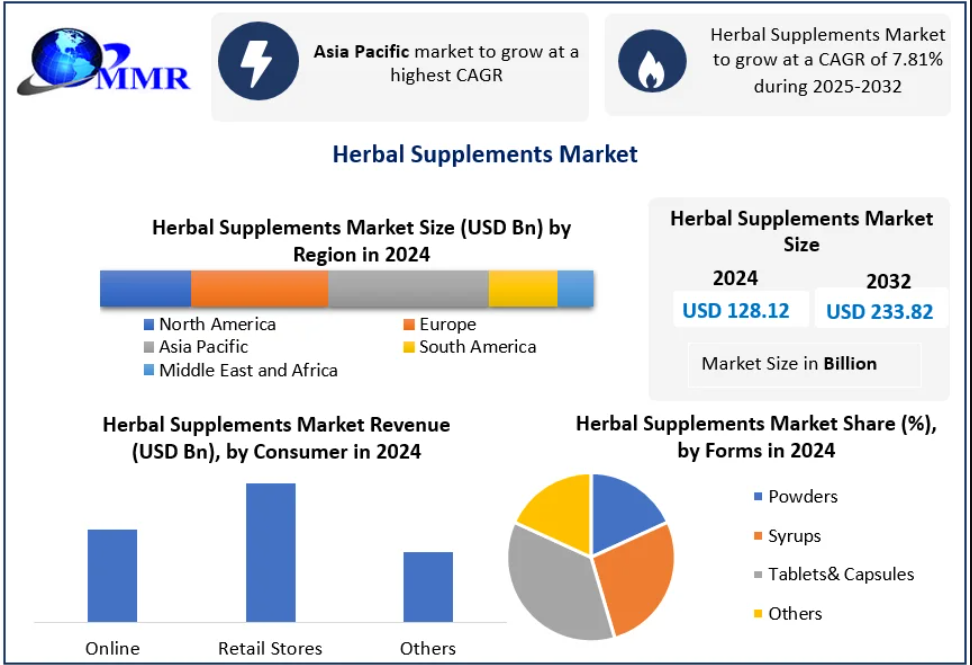
Market Size (2024): USD 128.12 Billion
Forecast (2032): USD 233.82 Billion
CAGR (2025–2032): 7.81%
Herbal Supplements Market Overview
The global Herbal Supplements Market is experiencing robust expansion, driven by increasing consumer preference for natural, plant-based health solutions. Valued at USD 128.12 billion in 2024, the market is projected to reach USD 233.82 billion by 2032, supported by rising awareness of holistic wellness, preventive healthcare, and clean-label products.
Herbal supplements—including tablets, capsules, powders, syrups, liquid extracts, and gummies—continue to gain global traction as alternatives to synthetic pharmaceuticals. Their widespread availability across pharmacies, online platforms, supermarkets, health stores, and wellness clinics supports strong consumption across geographic regions and demographic groups.
Asia-Pacific remains the dominant market, supported by traditional medicine systems (Ayurveda, TCM), while North America emerges as the fastest-growing region driven by lifestyle diseases, preventive health, and premium supplement consumption.
Growing scientific validation, investments in R&D, and regulatory developments indicate a rapidly maturing industry shifting toward personalization and clinically proven botanical formulations.
Click here to claim your free sample report and uncover the most lucrative market segments:https://www.maximizemarketresearch.com/request-sample/20657/
Herbal Supplements Market Dynamics
Drivers
Rising Health Awareness & Shift Toward Natural Wellness
Sedentary lifestyles, growing mental health concerns, and rising chronic diseases are pushing consumers toward safer, natural, and affordable health solutions. Herbal supplements are increasingly incorporated into daily routines due to minimal side effects, strengthening demand globally.
Natural Appeal & Historical Usage
Herbal medicines have been used for centuries for various therapeutic purposes. The perception of purity, non-toxicity, and long-term health benefits significantly fuels consumer trust and adoption.
Economic Factors & Rising Healthcare Costs
Expensive medical treatments and tighter government healthcare budgets are encouraging consumers to choose cost-effective herbal alternatives.
Personalized Nutrition & Sports Lifestyle Trends
The rise of customized nutrition, sports nutrition, and dietary supplements creates strong opportunities. Athletes and fitness-conscious consumers are increasingly adopting herbal products for endurance, immunity, and recovery.
Restraints
Complex & Varying Global Regulations
Inconsistent global regulatory frameworks complicate product approvals, labeling, testing, and ingredient standardization.
Quality & Safety Challenges
Herbal raw material variability, adulteration risks, and inconsistent formulations hinder consumer trust and pose barriers for producers.
Cultural Preferences
Acceptance varies across regions depending on traditional practices, beliefs, and exposure to herbal remedies.
Competition From Pharmaceuticals
For acute conditions, synthetic drugs remain the preferred choice, challenging herbal supplements’ market penetration.
Opportunities
AI-Based Personalized Herbal Supplementation
Advancements in digital wellness apps, DNA-based nutrition plans, and AI-driven product recommendations are transforming consumer engagement.
Rising Investments in R&D & Clinical Trials
Brands are increasingly validating claims through scientific research to gain regulatory acceptance and consumer trust.
Expansion in Sports Nutrition, Women’s Health & Mental Wellness
Trending ingredients—Ashwagandha, Elderberry, Turmeric, Maca, and Ginseng—are gaining strong traction for stress relief, immunity, hormonal balance, and performance enhancement.
Challenges
Strict regulatory compliance standards
Fragmented global market with numerous SMEs
Biodiversity pressure due to high raw-material demand
Shifting trends in wellness influencing product lifecycle
Herbal Supplements Market Segment Analysis
By Form
Tablets & Capsules (Dominant Segment)
Leading due to convenience, accurate dosage, long shelf life, and strong consumer trust.
Powders gaining traction among fitness users for customizable dosing.
Syrups preferred by elderly and pediatric consumers.
Others (gummies, liquid extracts, softgels) showing fastest growth due to taste, bioavailability, and innovation.
By Distribution Channel
Pharmaceutical Stores (Largest Share)
Due to credibility, expert consultation, and verified product availability.
Online Retail (Fastest Growing)
Growth driven by convenience, discounts, and wide product range.
Personal Care & Specialty Stores
Popular for beauty and wellness formulations.
Others (Direct sales, clinics) serve niche therapeutic markets.
By Consumer Purchase Channel
Retail Stores (Largest Share) due to trust and physical product verification.
Online Platforms rapidly increasing among millennials and Gen Z.
Others include wellness clinics and direct selling networks.
Click here to claim your free sample report and uncover the most lucrative market segments:https://www.maximizemarketresearch.com/request-sample/20657/
Regional Insights
Asia Pacific – Market Leader (42% Share)
Strong traditional medicine practices in India and China
Exports account for >60% of global herbal ingredients
Policies like India's AYUSH Mission 2025 support formalization and innovation
Challenges: price sensitivity and market fragmentation
North America – Fastest Growing Market
65% of U.S. adults use dietary supplements
Premium botanical products and holistic healthcare trends booming
FDA intensifying regulations for purity and transparency
Strong e-commerce influence (Amazon’s “Verified Herbal Supplements”)
Europe – Quality-Focused Market
Germany and Switzerland lead due to stringent organic certifications
Consumers demand clinically proven formulations
EU tightening quality controls on imported ingredients
Middle East, Africa & South America
Rising adoption driven by urbanization, wellness awareness, and expanding pharmacy retail networks.
Competitive Landscape
The market is moderately fragmented, with global leaders expanding portfolios while regional brands leverage traditional systems and local ingredients.
Key Global Players
Nature’s Bounty / NBTY
Archer Daniels Midland Company (ADM)
Herbalife International
NOW Health Group
Swanson Health
Glanbia PLC
Asia-Pacific Leaders
Himalaya Herbal Healthcare
Naturalife Asia
Herbochem
Nutrova
North American Leaders
Nutraceutical Corporation
Jarrow Formulas
Herb Pharm
Bio-Botanica
European Leaders
Ricola AG
Blackmores (strong EU presence)
Competitive strategies include:
R&D investment, clinical validation, mergers, regulatory alignment, digital marketing, and personalized product lines.
Recent Key Developments (2024–2025)
North America
FDA strengthens botanical labeling regulations (2024)
Nature’s Bounty launches clinically studied Ashwagandha for stress relief (2025)
Asia Pacific
Himalaya expands USDA-certified organic portfolio in the U.S. (2024)
China approves 10 new TCM herbal exports (2025)
Europe
EU enforces stricter controls on imported herbal raw materials (2024)
Key Market Trends
Rise of science-backed herbal formulations
Brands are conducting clinical trials on Ashwagandha, Turmeric, Elderberry, Ginseng, etc., to support therapeutic claims.
Personalized Herbal Nutrition & Digital Wellness
AI platforms create customized supplement plans; subscription models and influencer-led marketing drive demand.
Clean-label, organic, and sustainably sourced ingredients
Transparency in sourcing, processing, and supply chain ethics is becoming essential.
Conclusion
The Herbal Supplements Market is evolving rapidly, driven by consumer demand for natural, preventive, and personalized health solutions. With rising scientific validation, digital transformation, and global regulatory improvements, the sector is transitioning from traditional remedies to a sophisticated, evidence-based global industry.
Asia Pacific remains the manufacturing hub and highest-revenue region, while North America leads in innovation and premium product adoption. Companies that invest in R&D, transparency, personalization, and global expansion are likely to dominate the market through 2032.


Paprika Market Analysis: Impact of Health and Wellness Trends on Consumption
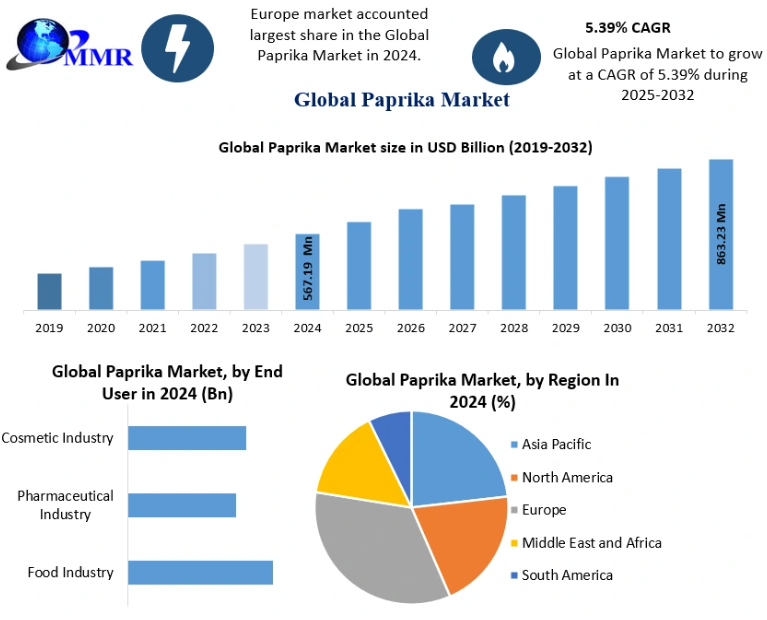
The global Paprika Market is experiencing robust expansion, driven by changing consumer tastes, rising demand for natural ingredients, and expanding applications across food, pharmaceutical, and cosmetic industries. The market was valued at USD 567.19 million in 2024 and is forecast to grow to approximately USD 863.23 million by 2032, exhibiting a compound annual growth rate (CAGR) of 5.39 % from 2025 to 2032.
Gain Valuable Insights – Request Your Complimentary Sample Now @ https://www.maximizemarketresearch.com/request-sample/27528/
Market Estimation & Definition
Paprika is a spice derived from grinding various types of Capsicum annuum peppers — ranging from sweet bell peppers to hot red varieties. It is widely used globally as a flavoring, seasoning, and natural coloring agent in foods. Besides culinary uses, paprika also possesses anti-inflammatory, antioxidant, anti-aging, and other health-promoting properties that support its growing role in pharmaceuticals and nutraceutical products.
Traditionally rooted in European and Mediterranean cuisines, paprika is increasingly leveraged worldwide not only for taste but also for functional health benefits. Its applications span across food and beverages, cosmetic products, and pharmaceutical formulations.
Market Growth Drivers & Opportunities
Several key drivers are propelling growth in the global paprika market:
1. Rising Demand for Natural Ingredients:
Consumers are becoming increasingly health conscious and seeking clean-label and naturally derived products over artificial additives. This trend has stimulated demand for natural colorants and spices like paprika, especially in processed foods and ready-to-eat meals.
2. Diverse Health Benefits:
Paprika’s rich antioxidant profile, including carotenoids and capsaicin, makes it attractive for functional food, dietary supplements, and therapeutic uses. Its potential roles in anti-inflammatory and metabolic health applications continue to bolster market appeal.
3. Multi-Industry Applications:
Beyond food, paprika’s utility as a natural coloring and bioactive ingredient has opened doors in cosmetics (for textural and aesthetic purposes) and pharmaceuticals (as active extracts), presenting significant revenue opportunities.
4. Macro-Economic Tailwinds:
Increasing disposable incomes, urbanization, and shifting consumer preferences toward convenience foods are supporting paprika demand worldwide.
Feel free to request a complimentary sample copy or view a summary of the report: https://www.maximizemarketresearch.com/request-sample/27528/
What Lies Ahead: Emerging Trends Shaping the Future
Looking forward, several emerging trends are likely to shape the paprika market landscape:
• Growth in Oleoresin Demand:
Paprika oleoresin — a concentrated extract used extensively as a natural color and flavoring — is anticipated to grow at the highest CAGR among paprika types due to its versatility across food, cosmetics, and pharmaceutical applications.
• Expansion of Clean-Label & Organic Segments:
With health and wellness trends accelerating globally, there is rising consumer inclination towards organic paprika variants and minimally processed spice products.
• Innovation in Product Formats:
Product innovation — such as liquid paprika formulations for sauces and convenience foods — is gaining traction, broadening the spice’s applicability beyond traditional powder uses.
• Sustainable Sourcing & Traceability:
Sustainability concerns are increasingly influencing buying decisions, motivating producers to adopt responsible sourcing practices and transparent supply chains.
Segmentation Analysis
By Type:
Vegetable Paprika
Spice Paprika
Colorant Paprika
Paprika Oleoresin
Others
Among these, paprika oleoresin is projected to register the fastest growth due to its enhanced use in multiple industries, particularly food and cosmetics.
By End-User:
Food Industry
Pharmaceutical Industry
Cosmetic Industry
The food industry accounted for the largest share in 2024, with paprika used extensively in meat products, sauces, pasta, and spice blends to enhance color and flavor.
By Distribution Channel:
B2B
B2C
The rise of retail and online channels is expanding paprika’s access to end consumers, particularly through supermarkets and e-commerce platforms.
Dive deeper into the market dynamics and future outlook: https://www.maximizemarketresearch.com/request-sample/27528/
Country Level Analysis: USA and Germany
United States:
The U.S. remains a key contributor to the North American paprika market. Demand is driven by the country’s robust food processing industry, rising consumption of ethnic and spicy foods, and increasing use of natural ingredients in culinary products. North America holds a strong share due to steady demand from convenience foods and health-oriented consumer segments.
Germany:
Germany stands out as a principal market within Europe — a region dominating global paprika consumption and production. European countries, including Germany, benefit from advanced production technologies, established food processing infrastructure, and cultural affinity for spice-rich cuisines. Paprika’s acceptance in traditional and modern food applications underpins sustained regional growth.
Key Players are
1. Chr. Hansen
2. EVESA
3. Ingredients Naturales Seleccionados
4. Synthite Industries Ltd
5. Kalsec Natural Ingredients
6. Kancor Ingredients Limited
7. Plant Lipids and Naturex
8. Adani Pharmachem Private Limited
9. Plant Lipids
10. Givaudan
11. Ozone Naturals
12. Universal Oleoresins
13. Ungerer & Company Unilever Food Solutions
14. Frutarom Industries Ltd
15. Unilever Food Solutions.
Conclusion
The global paprika market is poised for healthy growth through 2032, fueled by consumer demand for natural, functional, and multi-purpose ingredients. With expanding applications across food, cosmetics, and pharmaceuticals, paprika is no longer just a culinary spice — it’s a high-value ingredient driving innovation.
As market segmentation deepens and more countries adopt paprika into their food cultures, the industry is set to capitalize on evolving trends like oleoresin demand, clean-label preferences, and sustainable sourcing. With the U.S. and Germany playing key regional roles, the paprika market remains an exciting opportunity for producers, investors, and stakeholders worldwide.
More Related Reports
Meat Extract Market https://www.maximizemarketresearch.com/market-report/global-meat-extract-market/34527/
Pizza Box Market https://www.maximizemarketresearch.com/market-report/global-pizza-box-market/31633/
Global Skin Antiseptic Products Market https://www.maximizemarketresearch.com/market-report/skin-antiseptic-products-market/123071/
About Us
Maximize Market Research is one of the fastest-growing market research and business consulting firms serving clients globally. Our revenue impact and focused growth-driven research initiatives make us a proud partner of majority of the Fortune 500 companies. We have a diversified portfolio and serve a variety of industries such as IT & telecom, chemical, food & beverage, aerospace & defense, healthcare and others.
Contact Maximize Market Research
MAXIMIZE MARKET RESEARCH PVT. LTD.
2nd Floor, Navale IT park Phase 3,
Pune Banglore Highway, Narhe
Pune, Maharashtra 411041, India.
+91 9607365656
[email protected]

Brand Identity vs. Branding: Understanding the Key Differences for Business Growth
In today’s highly competitive market, businesses need more than just a great product or service—they need a strong brand identity and a well-executed branding strategy. Many companies confuse these two terms, using them interchangeably, but they serve distinct purposes in marketing.
While brand identity is about how your company presents itself visually and emotionally, branding is the strategic process that shapes and communicates that identity. Understanding these differences is crucial for businesses looking to establish a strong market presence and build long-term customer loyalty.
In this article, we will break down the key differences between brand identity and branding, explain why both are essential, and explore how businesses can measure and improve their brand perception.
https://ciente.io/blogs/importance-of-brand-identity/
https://ciente.io/
https://cientemartech.io/