 Your Ideas OS
Log in to learn from real founders, exchange ideas, and work on businesses that move from concept to execution.
Access Knowasiak
Join the conversations shaping real businesses.


Turn Every Visitor into a Customer with Smart AI Chatbots
In today’s digital world, turning simple visitors into real customers is the key to growing any business successfully. With an AI chat bot , your chatbot works 24/7 so you never miss a customer inquiry, gives instant replies to repetitive questions, and learns user behavior to deliver personalized communication while reducing support costs. It handles multiple conversations smoothly and keeps your business active anytime, anywhere. From consultation and strategy to development and support, the process builds a smart and scalable system for better engagement. Beleaf Technologies has expert developers with 50+ successful chatbot projects, creating safe and intelligent bots to grow your business worldwide, starting from 4,000 dollars. They also offer a free live demo so you can experience real-time performance before getting started.
“From Inquiry to Income AI Chatbots Make It Easy – free live demo.”
https://www.beleaftechnologies.com/ai-chatbot-development-company
Reach us :-
WhatsApp : +91 7904323274
Email id : [email protected]
Telegram : https://telegram.me/BeleafSoftTech



What Is Third-Party Data and Why Does It Matter?
Third-party data is information collected by external sources and used by businesses to understand audiences better. It helps expand reach, improve targeting, and enhance marketing strategies. While it offers valuable insights and scalability, concerns around privacy and data accuracy remain important. When used responsibly, third-party data can support smarter decisions and business growth in a competitive digital landscape.
Blog live link - https://ciente.io/blogs/use-of-third-party-data/


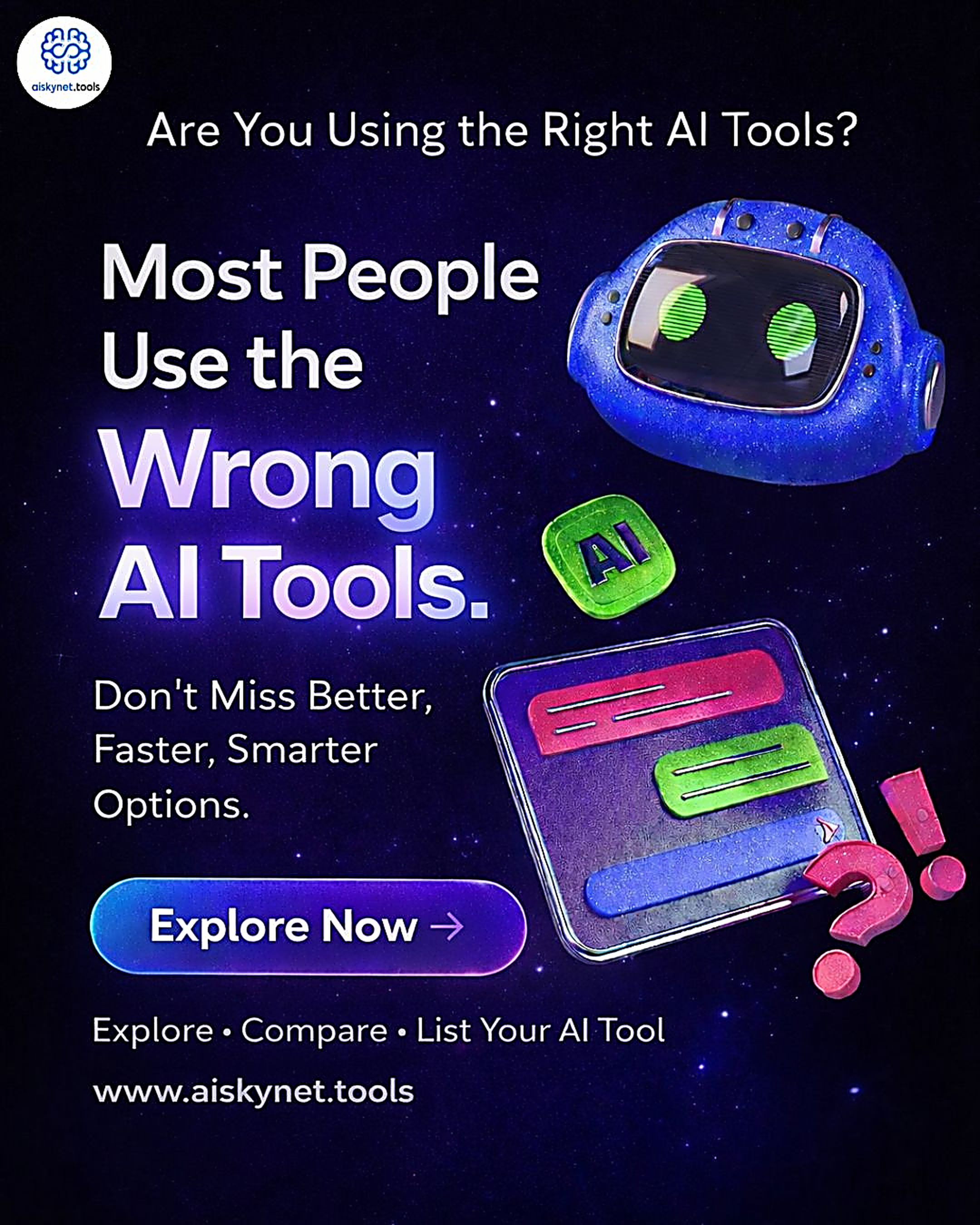
Are You Using the Right AI Tools?
In today’s fast-changing digital world, Artificial Intelligence (AI) is everywhere. From writing content to analyzing data, AI tools are helping people work faster and smarter. But many users still choose tools that don’t match their needs. As a result, they miss better, faster, and more efficient options.
The message in the image is clear: most people use the wrong AI tools. This blog will help you understand how to choose the right tools and how different AI solutions can improve your daily work.
Why Choosing the Right AI Tool Matters
Not all AI tools are built for the same purpose. Some are designed for automation, some for creativity, and others for business or education. Using the wrong tool can lead to:
- Wasted time
- Poor results
- Extra effort
- Confusion in workflows
When you choose the right tool, you can improve productivity, reduce manual work, and get better results with less effort.
Common Mistakes People Make
1. Using Popular Tools Without Understanding Needs
Many people follow trends instead of understanding what they actually need. A popular tool may not always be the best fit.
2. Ignoring Features
Some tools offer powerful features, but users only use basic functions. This limits their full potential.
3. Not Exploring Alternatives
There are many options available, but users often stick to one tool without comparing others.
This is where a best ai tools directorybest ai tools directory becomes helpful. It allows users to explore, compare, and choose tools based on their specific needs.
Categories of AI Tools You Should Know
1. Automation Tools
Automation tools help reduce repetitive work like data entry, scheduling, and email responses. The best ai tools for automation can save hours of manual effort and improve efficiency.
2. Coding Tools
Developers use ai tools for coding to write, debug, and optimize code faster. These tools can suggest code snippets and detect errors in real time.
3. Customer Support Tools
AI is widely used in chatbots and support systems. The best ai tools for customer support can handle queries, provide instant replies, and improve user experience.
4. Data Analytics Tools
Businesses rely on data to make decisions. Data analytics ai tools help process large amounts of data, identify patterns, and generate insights quickly.
AI Tools Across Different Industries
AI is not limited to one field. It is used across multiple industries to improve performance and results.
1. Business and Productivity
The best ai tools for business help manage tasks, automate workflows, and improve decision-making processes.
2. Creative Work
Designers, writers, and video creators use ai tools for creative professionals to generate ideas, edit content, and speed up production.
3. E-commerce
Online stores use the best ai tools for e commerce to manage inventory, recommend products, and improve customer experience.
4. Education
Students and teachers benefit from ai tools used in education for personalized learning, content creation, and better engagement.
5. Data-Driven Industries
Many industries depend on data analytics ai tools to understand trends, customer behavior, and performance metrics.
How to Choose the Right AI Tool
Choosing the right AI tool is simple if you follow these steps:
Step 1: Identify Your Goal
Understand what problem you want to solve. Is it automation, content creation, or data analysis?
Step 2: Compare Features
Look at what each tool offers and choose one that fits your needs.
Step 3: Check Ease of Use
A good tool should be simple and user-friendly.
Step 4: Test Before Committing
Try free versions or demos before choosing a tool.
Step 5: Read Reviews and Feedback
User experiences can help you make better decisions.
Benefits of Using the Right AI Tools
When you select the right tools, you can:
- Save time and effort
- Improve accuracy
- Increase productivity
- Enhance creativity
- Make better decisions
AI tools are designed to support human work, not replace it. When used correctly, they can significantly improve outcomes.
The Future of AI Tools
AI technology is growing rapidly. In the future, we can expect:
- Smarter automation
- Better personalization
- More advanced data analysis
- Improved user experiences
As AI continues to evolve, choosing the right tools will become even more important.
Conclusion
Many people are still using AI tools that don’t match their needs. This leads to missed opportunities and lower productivity. By understanding different categories, exploring options, and choosing wisely, you can get the most out of AI.
Instead of following trends, focus on what works best for you. The right AI tool can make your work faster, easier, and more effective.


Brick and Block Supplier Near You for Strong & Reliable Construction
Choosing the right Brick and Block Supplier near you ensures quality materials for every construction project. Chhikara Builders offers durable bricks and blocks designed for strength, consistency, and long-term performance. With prompt delivery and dependable service, projects achieve better efficiency, structural stability, and cost-effective results with trusted building solutions.
Vist us :- https://chhikarabuilders.com/
#BrickAndBlockSupplierNearYou #ChhikaraBuilders #buildingmaterials #ConstructionSolutions #QualityBlocks

Automotive Industry: Mapping Growth Opportunities Through Strategic Opportunity Assessment
The global automotive industry is undergoing one of the most transformative phases in its history. Rapid technological innovation, electrification, digitalization, and evolving consumer expectations are reshaping the competitive landscape. Traditional automakers are no longer competing solely on manufacturing capabilities; instead, success increasingly depends on strategic insights into market opportunities, technology trends, and consumer demand patterns. In this context, opportunity assessment frameworks such as those offered through Grand View Brainshare consulting services play a critical role in helping organizations identify and prioritize growth avenues across the automotive value chain.
Understanding the Changing Automotive Landscape
Opportunity assessment within the automotive industry begins with a comprehensive evaluation of the market landscape. Automotive markets today are influenced by multiple structural shifts including the transition toward electric mobility, the integration of advanced driver-assistance systems (ADAS), the rise of connected vehicles, and growing regulatory pressure to reduce emissions. Each of these trends creates distinct opportunities across vehicle segments, technologies, and geographic markets. Companies that systematically evaluate market size, demand potential, and competitive dynamics are better positioned to capture emerging opportunities.
Market Sizing and Segmentation
A core component of opportunity assessment is market sizing and segmentation. In the automotive sector, this involves analyzing total addressable markets across product categories such as passenger vehicles, commercial vehicles, electric vehicles (EVs), autonomous driving technologies, and automotive electronics. For example, the EV segment has experienced rapid global expansion due to government incentives, declining battery costs, and increased consumer awareness of sustainability. However, the scale and pace of adoption vary significantly by region. Countries with strong regulatory support and charging infrastructure have higher adoption rates compared to emerging markets where infrastructure gaps still exist. Through market sizing analysis, automotive companies can identify which regions and vehicle segments offer the highest growth potential.
Evaluating Market Feasibility and Entry Barriers
Another critical dimension of opportunity assessment involves evaluating market feasibility and entry barriers. The automotive industry is highly capital intensive and regulated, making market entry complex for new participants. Companies must consider factors such as supply chain infrastructure, regulatory requirements, technology partnerships, and manufacturing capabilities before entering new markets. For instance, the EV ecosystem requires access to battery manufacturing, charging infrastructure, and advanced software capabilities. A structured feasibility assessment helps organizations determine whether they possess the resources and capabilities necessary to compete effectively in a target market.
Market Attractiveness and Investment Prioritization
Market attractiveness analysis further refines opportunity identification by comparing potential markets based on multiple strategic criteria. Automotive companies often evaluate markets based on growth rate, competitive intensity, consumer purchasing power, and regulatory stability. A market that demonstrates strong demand growth but limited competitive saturation may represent a highly attractive opportunity. Conversely, markets with strong competition and thin margins may require differentiated strategies to succeed. By ranking markets across these parameters, companies can prioritize investments and allocate resources more effectively.
Identifying Growth Drivers and Technology Trends
Beyond macro-level market analysis, opportunity assessment also focuses on identifying growth drivers and emerging industry trends. In the automotive sector, technological innovation is a major catalyst for new opportunities. Electrification, autonomous driving, vehicle connectivity, and mobility-as-a-service platforms are reshaping how vehicles are designed, manufactured, and used. For example, the rise of connected vehicles is creating opportunities for software developers, semiconductor manufacturers, and data analytics providers. Automotive companies that track these technological shifts can identify adjacent opportunities beyond traditional vehicle manufacturing.
Understanding Consumer Behavior and Demand Patterns
Consumer behavior is another important factor shaping opportunity landscapes in the automotive industry. Modern consumers increasingly value sustainability, digital connectivity, and advanced safety features. Younger buyers in urban environments may prioritize shared mobility services rather than vehicle ownership, while environmentally conscious consumers may prefer electric or hybrid vehicles. Understanding these evolving preferences allows automakers to develop targeted products and services aligned with market demand.
Opportunities Across the Automotive Ecosystem
Opportunity assessment also plays a key role in evaluating the broader automotive ecosystem, which includes suppliers, technology providers, infrastructure developers, and mobility service platforms. As the industry becomes more interconnected, partnerships and collaborations are becoming essential for innovation. Automotive companies frequently partner with technology firms, battery manufacturers, and software developers to accelerate product development and market entry. Identifying potential collaboration opportunities can therefore significantly enhance competitive positioning.
Regulatory and Geopolitical Influences
Furthermore, geopolitical and regulatory dynamics influence opportunity assessment in the automotive sector. Governments around the world are implementing stricter emissions regulations, fuel economy standards, and electrification mandates. These policies create both risks and opportunities for manufacturers. Companies that proactively align their product strategies with regulatory trends can benefit from incentives, subsidies, and favorable policy frameworks.
Strategic Importance of Opportunity Assessment
In conclusion, the automotive industry’s rapid transformation demands a structured and data-driven approach to identifying growth opportunities. Opportunity assessment frameworks help companies evaluate market size, analyze feasibility, prioritize attractive markets, and understand emerging technological and consumer trends. By leveraging comprehensive research methodologies and strategic insights, organizations can make informed decisions about where to invest, expand, and innovate within the evolving automotive landscape. As competition intensifies and disruption accelerates, systematic opportunity assessment will remain a vital tool for automotive companies seeking long-term growth and market leadership.
Unlock new growth opportunities with - Grand View Brainsharelink text