 Your Ideas OS
Log in to learn from real founders, exchange ideas, and work on businesses that move from concept to execution.
Access Knowasiak
Join the conversations shaping real businesses.


Organic Skin Care Products Market Expansion Driven by Growing Demand for Natural and Sustainable Beauty Solutions
Market Overview
The global Organic Skin Care Products Market was valued at USD 15.32 billion in 2024 and is projected to reach approximately USD 29.42 billion by 2032, expanding at a CAGR of 8.5% during the forecast period. The market is witnessing robust growth due to increasing consumer awareness regarding skin health and the rising preference for natural, chemical-free personal care products.
Organic skin care products are formulated using plant-based ingredients, herbal extracts, and essential oils that help nourish the skin while minimizing exposure to synthetic chemicals. The growing trend of clean beauty, sustainable consumption, and eco-friendly packaging is significantly supporting the expansion of the organic skin care products market globally.
Get Full PDF Sample Copy of Report: (Including Full TOC, List )@https://www.maximizemarketresearch.com/request-sample/69592/
Technology and Innovation Landscape
Innovation in product formulation and sustainable sourcing practices is playing a key role in shaping the organic skin care products market. Manufacturers are focusing on developing dermatologically tested organic formulations, bio-active ingredients, and recyclable packaging materials to enhance product appeal and environmental sustainability.
Additionally, the adoption of digital marketing strategies and expansion of online retail platforms are helping brands reach broader consumer segments and improve product accessibility.
Largest Market Segment Analysis
The facial care segment dominates the organic skin care products market due to increasing consumer focus on skincare routines and preventive skin treatments. Organic cleansers, moisturizers, serums, and anti-aging creams are widely used to maintain skin health and improve appearance.
The rising demand for premium skincare solutions and growing awareness about long-term skin benefits are major factors contributing to the dominance of this segment.
Fastest-Growing Segment Analysis
The online sales channel is expected to grow at the fastest pace during the forecast period. Consumers are increasingly purchasing organic skincare products through e-commerce platforms due to convenience, competitive pricing, and access to detailed product information.
Influencer marketing, social media promotions, and personalized skincare recommendations are further supporting the growth of online distribution channels.
Regional Insights
North America holds a substantial share of the organic skin care products market due to strong consumer awareness of clean beauty products and the presence of leading skincare brands.
The Asia-Pacific region is anticipated to witness significant growth owing to rising disposable income, increasing urbanization, and growing adoption of natural personal care products in countries such as China, India, and Japan.
Competitive Landscape
The organic skin care products market includes several global and regional companies focusing on product innovation, brand positioning, and sustainable sourcing strategies.
Key Players Include:
L’Oréal S.A.
Unilever PLC
The Procter & Gamble Company
Estée Lauder Companies Inc.
Shiseido Company
Beiersdorf AG
Amorepacific Corporation
Natura & Co
Clarins Group
Weleda AG
Get Full PDF Sample Copy of Report: (Including Full TOC, List )@https://www.maximizemarketresearch.com/request-sample/69592/
Market Dynamics
The growth of the organic skin care products market is primarily driven by rising consumer preference for natural and environmentally friendly beauty products. Organic formulations are perceived as safer alternatives to conventional skincare products, which is encouraging adoption among health-conscious consumers.
However, premium pricing and limited product availability in certain regions may pose challenges for market growth. Despite these constraints, ongoing innovation in organic ingredients and the expansion of digital sales channels are expected to create strong opportunities for the organic skin care products market.
Get access to the full description of the report @https://www.maximizemarketresearch.com/market-report/global-organic-skin-care-products-market/69592/
About Maximize Market Research
Maximize Market Research Pvt. Ltd. is a global market intelligence and consulting organization that provides strategic research insights across multiple industry sectors including chemicals, consumer goods, technology, healthcare, automotive, and industrial markets. The company applies advanced research methodologies and analytical tools to deliver accurate market insights and help organizations make informed strategic decisions.


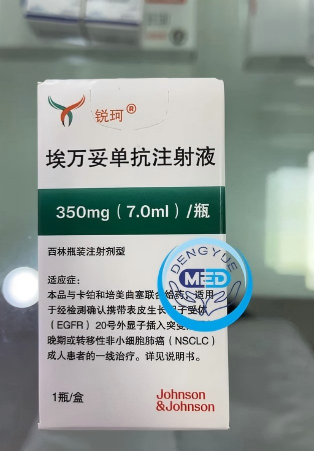
I have started treatment with Amivantamab for an EGFR exon 20 mutation
Yesterday I completed the 2nd and 3rd infusions of the first week in Cycle 1, and overall the process went relatively smoothly. That evening I felt mostly normal and did not experience any obvious discomfort.
This morning I had some mild dizziness. After consulting my doctor, I was told that this is not uncommon in the early phase of treatment. It is generally not considered a serious side effect and is often related to the body adjusting after the infusion, so for now it just needs to be monitored.
I also noticed some small acne-like bumps appearing in the central area of my face. I looked up some information myself including some materials on DengYueMed, and it seems that this can be a relatively common skin reaction associated with EGFR-related targeted therapies. For drugs like Amivantamab, which is an EGFR/MET bispecific antibody, some patients experience acneiform rash, dry skin, or mild itching. In many cases, these reactions can be managed with moisturizers or simple topical treatments.
Around noon I went for a short walk and felt some fatigue, although overall I was still able to stay active. My doctor also mentioned that fatigue is fairly common during the early stage of treatment, especially in the days following multiple infusions, and it often improves as the body gradually adapts.
Next week the plan is to begin targeted therapy combined with chemotherapy (the PC regimen), which means continuing Amivantamab while adding pemetrexed + carboplatin. I hope my body will gradually adapt to the treatment schedule and that the side effects will remain manageable.
For now, my overall condition is relatively stable. I will continue to monitor the drug reactions, maintain moderate activity, and try to keep a regular routine. Hopefully the treatment will continue to go smoothly.
Structural Consultants in Bangalore – RREN Experts in Design & Analysis
Looking for reliable structural consultants for your next construction project? Look no further than RREN Consultants and Contractors Pvt Ltd. Our team of experts have the knowledge and skills to deliver high-quality solutions that meet your specifications. From concept to completion, we are committed to providing top-notch consulting services that exceed your expectations.
Visit our page👉 https://rren.in/
Schedule a Service Visit📞👉 https://rren.in/contact-us/

Knowasiak: Find & Connect with Businesses, Entrepreneurs & Founders
Join 18,700+ entrepreneurs and business leaders on Knowasiak – the social network for visionary founders. Connect, share insights, and grow your business t
https://www.knowasiak.com/

Looking for top AML consulting firms? Look no further than Auditac International. With years of experience in the field, our team of dedicated professionals offers unmatched expertise and guidance to help your business navigate the complex landscape of anti-money laundering regulations. Trust us to provide proactive solutions to safeguard your operations and reputation.
https://auditacinternational.com/services/anti-money-laundering/

Automotive Industry: Mapping Growth Opportunities Through Strategic Opportunity Assessment
The global automotive industry is undergoing one of the most transformative phases in its history. Rapid technological innovation, electrification, digitalization, and evolving consumer expectations are reshaping the competitive landscape. Traditional automakers are no longer competing solely on manufacturing capabilities; instead, success increasingly depends on strategic insights into market opportunities, technology trends, and consumer demand patterns. In this context, opportunity assessment frameworks such as those offered through Grand View Brainshare consulting services play a critical role in helping organizations identify and prioritize growth avenues across the automotive value chain.
Understanding the Changing Automotive Landscape
Opportunity assessment within the automotive industry begins with a comprehensive evaluation of the market landscape. Automotive markets today are influenced by multiple structural shifts including the transition toward electric mobility, the integration of advanced driver-assistance systems (ADAS), the rise of connected vehicles, and growing regulatory pressure to reduce emissions. Each of these trends creates distinct opportunities across vehicle segments, technologies, and geographic markets. Companies that systematically evaluate market size, demand potential, and competitive dynamics are better positioned to capture emerging opportunities.
Market Sizing and Segmentation
A core component of opportunity assessment is market sizing and segmentation. In the automotive sector, this involves analyzing total addressable markets across product categories such as passenger vehicles, commercial vehicles, electric vehicles (EVs), autonomous driving technologies, and automotive electronics. For example, the EV segment has experienced rapid global expansion due to government incentives, declining battery costs, and increased consumer awareness of sustainability. However, the scale and pace of adoption vary significantly by region. Countries with strong regulatory support and charging infrastructure have higher adoption rates compared to emerging markets where infrastructure gaps still exist. Through market sizing analysis, automotive companies can identify which regions and vehicle segments offer the highest growth potential.
Evaluating Market Feasibility and Entry Barriers
Another critical dimension of opportunity assessment involves evaluating market feasibility and entry barriers. The automotive industry is highly capital intensive and regulated, making market entry complex for new participants. Companies must consider factors such as supply chain infrastructure, regulatory requirements, technology partnerships, and manufacturing capabilities before entering new markets. For instance, the EV ecosystem requires access to battery manufacturing, charging infrastructure, and advanced software capabilities. A structured feasibility assessment helps organizations determine whether they possess the resources and capabilities necessary to compete effectively in a target market.
Market Attractiveness and Investment Prioritization
Market attractiveness analysis further refines opportunity identification by comparing potential markets based on multiple strategic criteria. Automotive companies often evaluate markets based on growth rate, competitive intensity, consumer purchasing power, and regulatory stability. A market that demonstrates strong demand growth but limited competitive saturation may represent a highly attractive opportunity. Conversely, markets with strong competition and thin margins may require differentiated strategies to succeed. By ranking markets across these parameters, companies can prioritize investments and allocate resources more effectively.
Identifying Growth Drivers and Technology Trends
Beyond macro-level market analysis, opportunity assessment also focuses on identifying growth drivers and emerging industry trends. In the automotive sector, technological innovation is a major catalyst for new opportunities. Electrification, autonomous driving, vehicle connectivity, and mobility-as-a-service platforms are reshaping how vehicles are designed, manufactured, and used. For example, the rise of connected vehicles is creating opportunities for software developers, semiconductor manufacturers, and data analytics providers. Automotive companies that track these technological shifts can identify adjacent opportunities beyond traditional vehicle manufacturing.
Understanding Consumer Behavior and Demand Patterns
Consumer behavior is another important factor shaping opportunity landscapes in the automotive industry. Modern consumers increasingly value sustainability, digital connectivity, and advanced safety features. Younger buyers in urban environments may prioritize shared mobility services rather than vehicle ownership, while environmentally conscious consumers may prefer electric or hybrid vehicles. Understanding these evolving preferences allows automakers to develop targeted products and services aligned with market demand.
Opportunities Across the Automotive Ecosystem
Opportunity assessment also plays a key role in evaluating the broader automotive ecosystem, which includes suppliers, technology providers, infrastructure developers, and mobility service platforms. As the industry becomes more interconnected, partnerships and collaborations are becoming essential for innovation. Automotive companies frequently partner with technology firms, battery manufacturers, and software developers to accelerate product development and market entry. Identifying potential collaboration opportunities can therefore significantly enhance competitive positioning.
Regulatory and Geopolitical Influences
Furthermore, geopolitical and regulatory dynamics influence opportunity assessment in the automotive sector. Governments around the world are implementing stricter emissions regulations, fuel economy standards, and electrification mandates. These policies create both risks and opportunities for manufacturers. Companies that proactively align their product strategies with regulatory trends can benefit from incentives, subsidies, and favorable policy frameworks.
Strategic Importance of Opportunity Assessment
In conclusion, the automotive industry’s rapid transformation demands a structured and data-driven approach to identifying growth opportunities. Opportunity assessment frameworks help companies evaluate market size, analyze feasibility, prioritize attractive markets, and understand emerging technological and consumer trends. By leveraging comprehensive research methodologies and strategic insights, organizations can make informed decisions about where to invest, expand, and innovate within the evolving automotive landscape. As competition intensifies and disruption accelerates, systematic opportunity assessment will remain a vital tool for automotive companies seeking long-term growth and market leadership.
Unlock new growth opportunities with - Grand View Brainsharelink text