 Your Ideas OS
Log in to learn from real founders, exchange ideas, and work on businesses that move from concept to execution.
Access Knowasiak
Join the conversations shaping real businesses.


🏢 The Future is Sentient: The $242 Billion Intelligent Building Revolution!
Buildings are no longer just static structures; they are becoming data-driven ecosystems. As we march toward a "Net Zero" future, the Intelligent Building Management Systems (IBMS) market is undergoing a massive transformation, moving from simple automation to true cognitive autonomy.
Here is what the latest data reveals about the Global IBMS Market:
Explosive Market Growth: Valued at USD 110.13 Billion in 2025, the market is projected to skyrocket to USD 242.55 Billion by 2032.
Rapid Acceleration: Expanding at a staggering 11.94% CAGR, driven by a global surge in intelligent buildings—expected to hit 115 billion structures by 2026.
The Commercial Powerhouse: Non-residential properties account for 90% of intelligent building spend, as malls, offices, and hotels prioritize energy efficiency and LEED certification to drive higher ROIs.
The ROI of Sustainability: With buildings accounting for 36% of global energy use, IBMS is the primary tool for reducing operational costs and meeting carbon-neutral mandates.
💡 The Strategic Playbook for Leaders:
For developers and facility managers, the "set it and forget it" era is over. The proper decision today is to invest in open-protocol connectivity and cloud-based monitoring. By bridging the gap between system designers and owners, you can transform a physical asset into a "Cognitive Campus" that learns user behavior, optimizes energy in real-time, and provides smart, deterrent-based security.
The most valuable real estate of the future won't just be about location—it will be about intelligence.
Is your infrastructure ready for the quarter-trillion-dollar smart revolution? #PropTech #SmartBuildings #sustainability #IBMS #FutureOfRealEstate
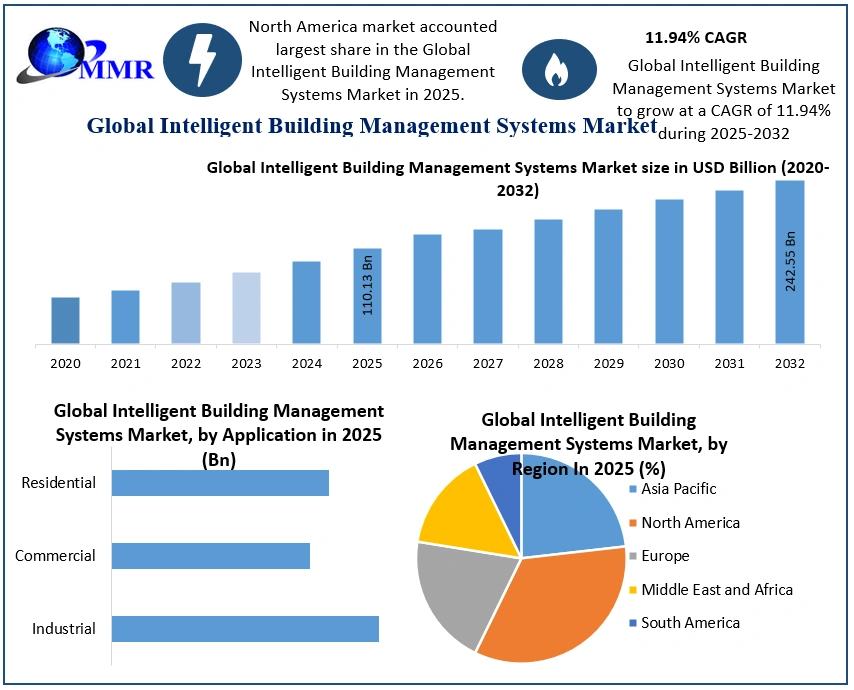
Intelligent Building Management Systems Market: Global Industry
The Intelligent Building Management Systems Market size was valued at USD 110.13 Billion in 2025 and the total revenue is
https://www.maximizemarketresearch.com/market-report/global-intelligent-building-management-systems-market/54128/

Europe’s beer landscape is undergoing a remarkable transformation. Beyond the familiar lagers and pilsners, a vibrant movement is brewing, driven by a thirst for flavor, authenticity, and local character. The craft beer revolution has firmly taken root, with thousands of independent breweries offering an astonishing array of styles and experiences. According to a recent report by IMARC Group, the Europe craft beer market is on a robust growth trajectory. Valued at USD 42.7 Billion in 2025, the market is projected to reach USD 73.2 Billion by 2034, expanding at a compound annual growth rate (CAGR) of 6.18% from 2026 to 2034. This growth is fueled by a consumer shift towards diverse, artisanal products, the rise of beer tourism, and a strong focus on sustainability.
Read the full report here: https://www.imarcgroup.com/europe-craft-beer-market
Key Takeaways:
The Europe craft beer market size was valued at USD 42.7 Billion in 2025 and is forecast to reach USD 73.2 Billion by 2034.
The market is expected to grow at a CAGR of 6.18% during the 2026-2034 period.
By product type, the market is segmented into ales, lagers, and others, with ales being a dominant category.
By age group, key consumers include those aged 21-35, 40-54, and 55 years and above.
By distribution channel, the market serves both on-trade (bars, pubs, restaurants) and off-trade (retail).
A key challenge is navigating intense competition and maintaining differentiation in a rapidly saturating market.
Major business opportunities lie in beer tourism and sustainable packaging and brewing practices.
Growth Drivers of the Europe Craft Beer Market
Diverse Offerings from Craft Beer Providers
A primary driver for the market is the sheer diversity of flavors and styles offered by craft breweries, which directly caters to a growing consumer desire for novel and artisanal experiences. Unlike mass-produced beers, craft breweries experiment with a wide range of ingredients and techniques, producing everything from intensely hoppy India pale ales (IPAs) and rich, dark stouts to tart sours and innovative experimental brews. This variety appeals to consumers seeking alternatives and willing to explore new taste profiles, providing a more nuanced and engaging drinking experience. The scale of this movement is significant. According to The Brewers of Europe’s data, there are over 10,000+ breweries across the European continent, which has created over 2 million jobs, from production to delivery. The industry is witnessing constant launches of exceptional products focused on catering to unique taste preferences, ensuring that there is always something new for consumers to discover, thereby sustaining long-term interest and market growth.
Enhanced Brewery Experiences with Beer Tourism
The rise of beer tourism is a powerful trend significantly boosting the visibility and accessibility of craft beer. Beer enthusiasts are now traveling to different regions to explore and discover new breweries, turning a simple drink into a travel experience. Many craft breweries have opened their doors to visitors, offering tours, tastings, and on-site experiences that go beyond the simple purchase of a beverage. This immersive trend allows consumers to connect with the brand story, meet the brewers, and appreciate the craftsmanship behind the product. This influx of beer tourists stimulates local economies, with breweries forming strategic partnerships with local restaurants, hotels, and attractions to create enhanced travel packages. This collaborative approach not only boosts the overall appeal of beer tourism but also draws in a steady stream of enthusiastic and engaged consumers, supplementing the market's growth by creating loyal brand advocates.
Threats Facing the Europe Craft Beer Market
Navigating Intense Competition and Maintaining Differentiation
The craft beer market's success has led to its biggest challenge: intense and growing competition. With over 10,000 breweries across Europe, the market is becoming increasingly saturated. For new and existing breweries, standing out requires constant innovation in flavor profiles, brewing techniques, and marketing strategies. The challenge is to maintain a unique identity and brand loyalty amidst a flood of options. The solution lies in a relentless focus on authenticity, quality, and community engagement. Breweries can differentiate themselves by hyper-localizing their ingredients, forging deep ties with their communities, and creating unique taproom experiences that go beyond just selling beer. Embracing niche styles (like historical or regional recipes) and telling compelling brand stories can also create a dedicated following. For B2B audiences, such as distributors and retailers, the key is to curate a portfolio that balances well-established names with unique, high-quality local players, rather than simply stocking the largest number of brands.
Opportunities in the Europe Craft Beer Market
Expanding Beer Tourism and Experiential Marketing
The growth of beer tourism presents a massive opportunity for craft breweries to diversify their revenue streams and build stronger brand loyalty. By investing in creating memorable visitor experiences—such as guided tastings, behind-the-scenes tours, food pairings, and on-site brewing classes—breweries can transform their taprooms into destinations. Strategic partnerships with local hotels, tour operators, and restaurants can create packaged travel experiences that attract visitors from across Europe and beyond. This not only generates direct revenue from tours and on-site sales but also creates a powerful word-of-mouth marketing engine, as visitors become brand ambassadors. For breweries, this is a chance to build a direct connection with their most passionate consumers, creating a loyal customer base that extends far beyond their local geographic area.
Get Instant Access to Critical Industry Data
Europe Craft Beer Market Segmentation
According to the analysis by IMARC Group, the Europe craft beer market is segmented based on product type, age group, distribution channel, and country, providing a detailed view of its structure.
Analysis by Product Type:
Ales: A diverse category including India Pale Ales (IPAs), stouts, porters, and sours, characterized by top-fermenting yeast and often complex, fruity, or roasted flavors. This is a dominant category.
Lagers: Bottom-fermented beers known for their clean, crisp profiles. Craft versions offer variations on traditional styles like pilsners, bocks, and dunkels.
Others: Includes other beer styles and experimental brews that don't fit neatly into the ale or lager categories.
Analysis by Age Group:
21-35 Years Old: A key demographic driving the flavor revolution, seeking new experiences and willing to experiment with diverse styles.
40-54 Years Old: A demographic with established palates and higher disposable income, often seeking premium and artisanal products.
55 Years and Above: A growing segment appreciating quality, tradition, and moderate consumption.
Analysis by Distribution Channel:
On-Trade: Beer consumed on the premises where it is purchased, including bars, pubs, restaurants, hotels, and brewery taprooms.
Off-Trade: Beer purchased for consumption off the premises, including supermarkets, hypermarkets, specialty beer shops, and online stores.
Analysis by Country:
Germany: A major market with a rich brewing tradition and a growing number of innovative craft breweries.
France: A rapidly growing market with an increasing number of microbreweries and a strong focus on gastronomy.
United Kingdom: A mature and highly developed market with a long history of craft brewing and a vibrant pub culture.
Italy: A growing market with a strong emphasis on food pairings and artisanal production.
Spain: An emerging market with increasing consumer interest in craft beer, particularly in urban centers.
Others: Other European countries, including emerging economies like Romania, Croatia, and Serbia, showing substantial growth.
Europe Craft Beer Market News
In April 2024, DW Reusables announced plans to launch packaging produced from 100% post-consumer plastic waste for the beverage industry.
Berlin-based craft brewery Fuerst Wiacek has implemented sustainable practices including recycling spent grain for livestock feed and sourcing energy from solar power, using distinctive tin packaging with a high recycling rate.

Europe Craft Beer Market Size, Share & Trends Report, 2026
Europe craft beer market size reached USD 42.7 Billion in 2025 to reach USD 73.2 Billion by 2034 at a CAGR of 6.18% during 2026-2034.
https://www.imarcgroup.com/europe-craft-beer-market/

Nestled amidst the scenic beauty of nature, Sathyam Grand Resorts offers the best staycation near Chennai. With luxurious accommodation, delectable dining options, and a range of recreational activities, this resort is the perfect getaway for those looking to relax and rejuvenate.
https://www.sathyamgrouphotels.in/blogs/staycation-in-chennai.html

Long Stay Hotels in Dubai
Looking for long stay hotels in dubai? Two Seasons Hotel offers spacious serviced apartments, modern amenities, and convenient city access.
Sathyam Grand Resorts is the ultimate destination for Team Outing Resorts in Chennai. Nestled in a tranquil setting, our resort offers a perfect blend of luxury and relaxation for your team. With spacious rooms, modern amenities, and a range of recreational activities, your team is sure to have a memorable experience at our resort.
https://www.sathyamgrouphotels.in/blogs/day-outing-resorts-in-chennai-for-family.html